Affordable Plumbing was great to deal with! Had a problem with a very niche gas line in my home. Derek came right out to look at it and determined it would take a specialty fireplace company to replace. Really appreciated his honesty, integrity and communication. I’ll absolutely use them for my next plumbing needs.
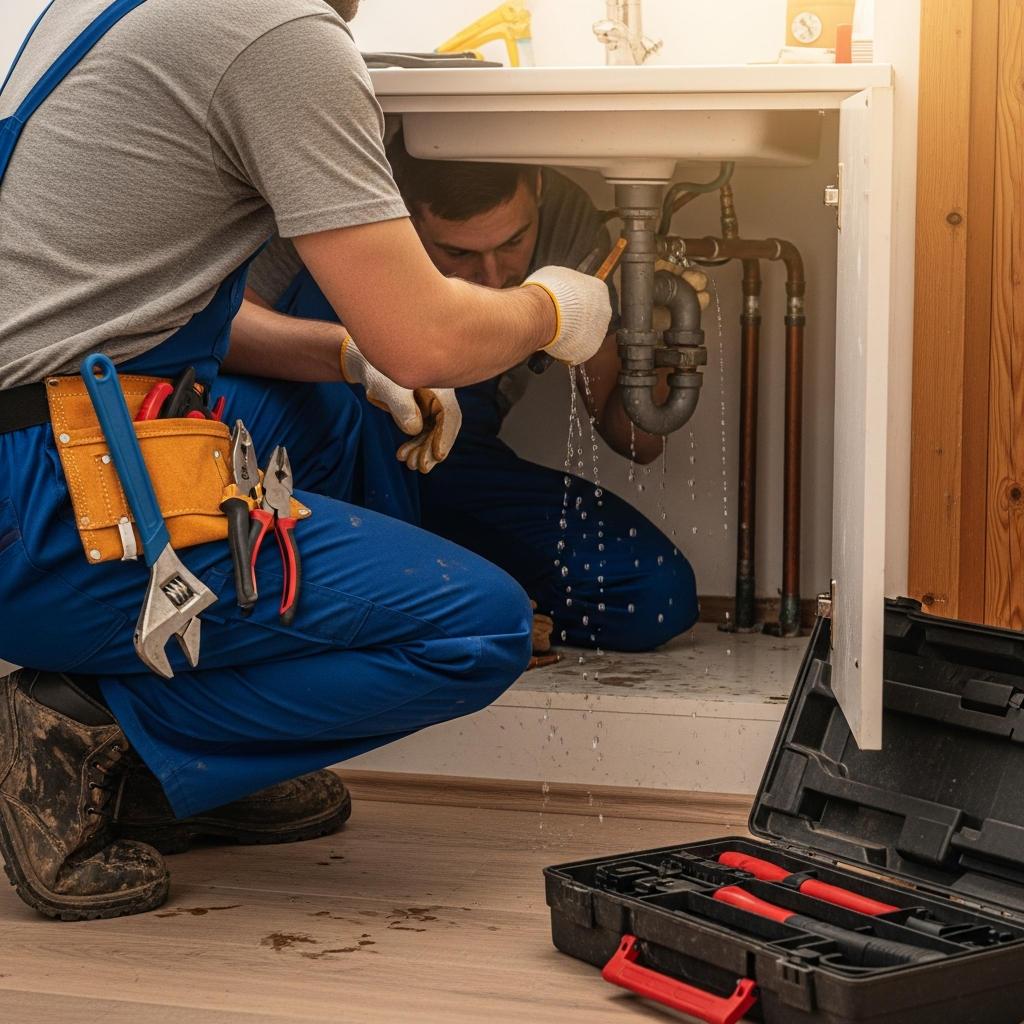
Corroded Pipe Repair: Signs of Corrosion and What to Do
Corroded pipes are one of the most common — and most overlooked — plumbing problems in older homes. Metal pipes react slowly with water, oxygen, and minerals over time, and that reaction quietly eats away at the pipe walls from the inside. You cannot see it happening, but the damage builds up year after year. By the time corrosion becomes visible, it has usually already weakened the system enough to cause leaks, low water pressure, or contaminated water.

Most homeowners do not notice a problem until the water runs brown, the shower pressure drops, or orange stains start showing up around drains and fixtures. Those are not minor cosmetic issues — they are warning signs that corrosion has been spreading inside your pipes for a long time. The good news is that pipe corrosion follows a predictable pattern, and once you know what to look for, you can spot the early symptoms before serious damage sets in. This guide walks you through exactly how corrosion develops, what signs to watch for, and when it is time to call a plumber.
What Pipe Corrosion Actually Does to Your Plumbing System
Pipe corrosion is not just a surface-level issue; it affects the structural integrity and performance of your entire plumbing network. As corrosion develops, it gradually eats away at the inner walls of pipes, making them thinner and weaker. This leads to reduced water flow, contamination, and eventually leaks or bursts.
Corrosion also creates rough surfaces inside pipes where minerals and debris can build up more easily. Over time, this buildup restricts water movement and puts additional pressure on the system. If left untreated, corrosion can spread through connected pipes, affecting multiple areas of your home’s plumbing.
Minerals and Water React with Metal Pipes
Corrosion begins when water interacts with metal pipe materials such as iron or steel. Minerals like calcium and magnesium, commonly found in hard water, accelerate this reaction. Oxygen in water also contributes to oxidation, which slowly breaks down the pipe surface.
This chemical process forms rust or other deposits that weaken the pipe from the inside out. In many cases, homeowners do not notice anything until visible symptoms appear at taps or fixtures. However, by then, internal damage is usually already significant.
Pipe Materials Most Vulnerable to Corrosion
Not all pipes react to water in the same way. Older plumbing systems made from galvanized steel or iron are especially prone to corrosion. These materials naturally oxidize over time, especially in areas with hard or acidic water.
Copper pipes are more resistant but can still develop corrosion under certain conditions, such as high acidity or improper installation. Even modern systems are not completely immune if water quality is poor or maintenance is neglected. Understanding your pipe material helps you estimate corrosion risk more accurately.
Fast Corrosion Spreads Through a System
Once corrosion begins in one section of piping, it rarely stays isolated. The weakened area allows water chemistry to shift, affecting nearby sections of the system. This creates a chain reaction where corrosion spreads gradually across connected pipes.
As more sections become affected, water pressure drops and leakage risks increase. This is why early detection is critical. Addressing a small corroded area quickly can prevent system-wide damage and costly replacements.
Warning Signs You Have Corroded Pipes
Corroded pipes often show subtle warning signs before a major failure occurs. Recognizing these early indicators can save you from expensive plumbing repairs and water damage restoration. These symptoms usually develop gradually and worsen over time.
Discolored or Rust-Tinted Water from the Tap
One of the most noticeable signs of corrosion is changes in water color. Water may appear yellow, brown, or reddish due to rust particles breaking loose from inside the pipes. This often happens when corrosion has reached an advanced stage.
If discoloration appears only when turning on a specific tap or after long periods of inactivity, it is a strong indication of internal pipe rusting. While flushing the system may temporarily improve clarity, the underlying issue will continue to grow if not addressed.
Low Water Pressure That Gets Worse Over Time
Corrosion inside pipes creates rough, uneven surfaces that restrict water flow. As buildup increases, the diameter of the pipe effectively becomes smaller, reducing water pressure. This is usually a gradual process rather than a sudden drop.
Homeowners often notice weaker showers, slow-filling sinks, or inconsistent flow throughout the home. If pressure continues to decline despite cleaning fixtures or replacing aerators, internal corrosion is a likely cause.
Visible Rust, Green Patina, or White Deposits on Exposed Pipes
In exposed plumbing areas like basements or under sinks, corrosion can often be seen directly. Rust-colored patches indicate iron or steel corrosion, while green patina is commonly associated with copper oxidation. White chalky deposits may also appear due to mineral buildup from hard water.
These visible signs suggest that corrosion is not just internal but also affecting the outer surface of pipes. Once corrosion becomes visible, it usually means the pipe is already weakened and may require repair or replacement.
Recurring Leaks at Joints and Fittings
Corrosion often begins at pipe joints, fittings, or connection points where moisture exposure is higher. Over time, these weakened areas start to develop small leaks. Even after temporary repairs, leaks may return because the underlying metal continues to deteriorate.
Recurring leaks are a strong indication that corrosion has spread beyond a single point. In such cases, patching alone is not enough, and a more comprehensive repair approach is usually required.
Strange Metallic Taste or Smell in Your Water
Corroded pipes can affect water quality in subtle but noticeable ways. A metallic taste or smell in tap water is often caused by rust or mineral particles dissolving into the water supply. This is more common in older plumbing systems with iron or galvanized steel pipes.
Although not always harmful in small amounts, it is a clear sign that the plumbing system is deteriorating. Ignoring these changes can eventually lead to more serious contamination and pipe failure.
Corroded Pipe Repair Options
Choosing the right corroded pipe repair method depends on how severe the damage is, where it is located, and the overall condition of your plumbing system. Some issues can be fixed with a small targeted repair, while others require full pipe replacement for long-term reliability.
Understanding each option helps you avoid temporary fixes and choose a solution that actually prevents future corrosion problems.
Repair Option
Best For
Key Benefit
Limitation
Spot Repair
Small, isolated corrosion areas
Quick and cost-effective fix
Not suitable for widespread corrosion
Pipe Lining (Trenchless Repair)
Sewer and drain lines
No digging, less property damage
Not ideal for pressurized water lines
Full Section Replacement
Heavily damaged pipe sections
Removes all corroded parts in one area
More labor and higher cost
Whole-Home Repiping
Old or severely corroded plumbing systems
Long-term solution with improved water quality
Highest upfront investment
Pipe Materials Used in Corroded Pipe Repair
Choosing the right pipe material is just as important as selecting the repair method. Different materials offer varying levels of durability, flexibility, and resistance to corrosion. Modern plumbing systems prioritize materials that extend lifespan and reduce maintenance needs.
Copper — Durable but Requires Soldering
Copper pipes are known for their strength, reliability, and long service life. They resist corrosion better than many older metal options, especially in stable water conditions. However, they still require proper installation techniques like soldering, which demands skilled labor.
Copper is often used in water supply lines where durability is a priority. While it can be more expensive, its longevity makes it a trusted choice in many plumbing systems. It also handles high temperatures well, making it suitable for both hot and cold water lines.
PEX — Flexible, Corrosion-Resistant, and Cost-Effective
PEX piping has become one of the most popular choices in modern plumbing repairs and installations. It is highly flexible, easy to install, and resistant to corrosion and scale buildup. This makes it ideal for replacing aging metal pipes in residential systems.
Because PEX does not require soldering or rigid fittings, installation is faster and often more affordable. It also reduces the number of connection points, lowering the risk of future leaks. However, it is typically not used in outdoor or high-UV exposure areas.
CPVC — Solid Alternative for Water Supply Lines
CPVC is a rigid plastic piping material commonly used for hot and cold water distribution. It offers good resistance to corrosion and chemical reactions, making it a reliable alternative to metal pipes. CPVC is also capable of handling higher temperatures than standard PVC.
It is often chosen for its balance between affordability and performance. While not as flexible as PEX, it provides a solid and durable option for residential plumbing systems. Proper installation is important to avoid joint stress or cracking over time.
Preventing Pipe Corrosion After Repair
After repairing corroded pipes, prevention becomes the most important step to ensure the problem does not return. Corrosion is often a slow process triggered by water quality, pipe material, and environmental conditions, so long-term care is essential.
The goal is to reduce the factors that cause chemical reactions inside the plumbing system. This includes controlling water minerals, maintaining stable pressure, and keeping a regular inspection routine. Small preventive actions can significantly extend the lifespan of your plumbing system and protect your investment.
- Improve water quality: Hard water contains minerals that accelerate corrosion and buildup inside pipes. Installing a water softener or filtration system helps reduce these minerals and keeps pipes cleaner for longer.
- Maintain stable water pressure: Excessively high or fluctuating water pressure puts stress on pipe walls and joints. Using a pressure regulator ensures consistent flow and reduces long-term damage.
- Schedule regular plumbing inspections: Routine checks help detect early signs of corrosion before they spread. Even small rust spots or discoloration can indicate developing issues.
- Protect exposed pipes: Pipes in basements, crawl spaces, or outdoor areas should be insulated and shielded from moisture and temperature changes. This reduces external corrosion risks.
- Flush the plumbing system periodically: Running water through the system helps remove sediment and mineral buildup. This is especially useful in homes with older plumbing systems.
- Avoid chemical drain overuse: Harsh drain cleaners can damage pipe surfaces over time. Using safer cleaning methods helps preserve pipe integrity.
- Upgrade old fixtures when needed: Old taps, valves, and fittings can contribute to corrosion spread. Replacing them supports overall system health.
Conclusion
Corroded pipes are not just a minor plumbing issue—they can gradually affect your entire water system if ignored. From reduced water pressure and discolored water to recurring leaks, corrosion often signals that your plumbing is losing its structural integrity. The good news is that modern repair methods like spot repairs, pipe lining, or full repiping can effectively restore performance when applied at the right time.
The key to avoiding major damage is early detection and timely action. Regular inspections, improved water quality management, and choosing the right pipe materials can significantly extend the life of your plumbing system. By addressing corrosion early, homeowners can prevent costly repairs and maintain safe, clean, and reliable water flow throughout the home.
FAQ
Can corroded pipes be repaired without replacement?
Yes, minor corrosion can often be repaired using spot repairs or pipe lining methods. However, severe or widespread corrosion usually requires partial or full pipe replacement for a long-term fix.
Is it safe to drink water from corroded pipes?
In some cases, it may still be safe, but corroded pipes can introduce rust particles and affect water quality. It is recommended to test the water and address the plumbing issue as soon as possible.
How long does corroded pipe repair take?
Repair time depends on the severity of the damage. Small spot repairs may take a few hours, while full repiping can take several days.
What to do if your pipes are corroded?
You should contact a professional plumber for inspection and assessment. They can determine whether repair or replacement is the best option based on the condition of your system.
Does insurance cover corroded pipes?
Most home insurance policies do not cover gradual pipe corrosion. However, they may cover sudden damage caused by pipe failure depending on the policy terms.
Can corroded pipes be repaired?
Yes, corroded pipes can often be repaired using targeted methods like spot repair or trenchless lining. The best solution depends on how advanced the corrosion is.
REQUEST A SERVICE

Testimonials
Our Customer Feedback







Our customer feedback
Make Us Your First-Choice Plumbing Company
Are you tired of dealing with unreliable plumbers? Do you need a local plumbing company you can trust for all your plumbing needs? Your search ends with us. We are the plumbers to trust if you need prompt, affordable and reliable plumbing service in Carmichael. When you invite us into your home, you’re not just getting a temporary fix; you’re ensuring a lasting solution from a team that treats your plumbing needs with the utmost seriousness. Our prompt response to emergencies and our fervent dedication to solving your plumbing woes set us apart.
Get in touch
Thank you! Your submission has been received!
Oops! Something went wrong while submitting the form.
Where we serve
Our Service Areas
We proudly provide professional plumbing services across surrounding communities, delivering reliable repairs, installations, and maintenance wherever dependable plumbing support is needed.
- Sacramento
- Roseville
- Carmichael
- El Dorado Hills
- Orangevale
- Rocklin
- Granite Bay
- Citrus Heights
- Antelope
- Arden-Arcade
- Fair Oaks
- Folsom
- Lincoln
- Loomis
- Rancho Cordova
- Rio Linda
- North Highlands
- Elk Grove