
Affordable Plumbing was great to deal with! Had a problem with a very niche gas line in my home. Derek came right out to look at it and determined it would take a specialty fireplace company to replace. Really appreciated his honesty, integrity and communication. I’ll absolutely use them for my next plumbing needs.

Does Pipe Replacement Require a Permit in Sacramento?
Replacing plumbing pipes is a major home improvement project that can improve water quality, prevent costly leaks, and extend the life of your plumbing system. However, before any work begins, many homeowners wonder whether they need a plumbing permit. The answer depends on the type of pipe replacement, the scope of the project, and local building regulations. Understanding permit requirements in advance can help you avoid delays, fines, and expensive corrections later.
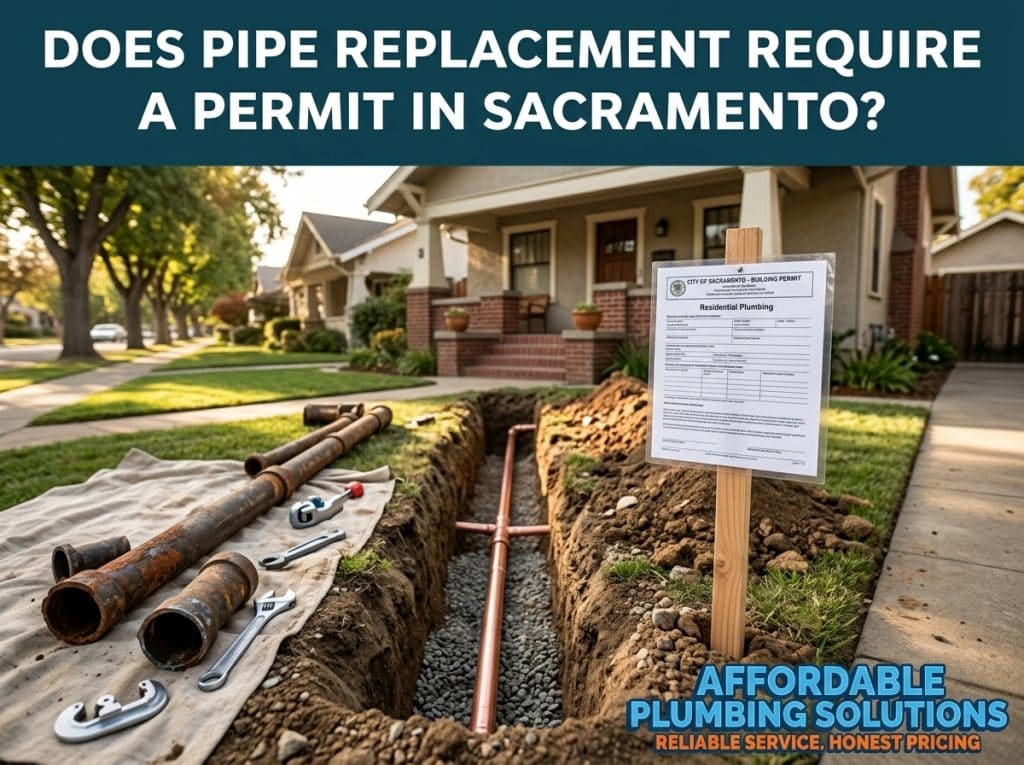
Whether you are replacing aging water supply pipes, installing a new sewer line, upgrading a water main, or repiping your entire home, permits are often an important part of the process. They ensure that plumbing work meets California building codes, protects public health, and keeps your home safe. This guide explains when pipe replacement requires a permit, why permits matter, and which plumbing projects usually need official approval.
When Do You Need a Permit for Pipe Replacement?
A plumbing permit is usually required when a pipe replacement project goes beyond a simple repair. If the work changes your existing plumbing system, replaces major piping, or connects to public utility lines, approval is generally needed before the project begins. Since permit requirements can vary, it's always best to verify local regulations before starting any plumbing work.
- Replacing most or all of the home's plumbing pipes
- Installing new water supply or drain lines
- Replacing a sewer line
- Replacing a water main
- Replacing or extending gas piping
- Relocating existing plumbing pipes
- Making major plumbing system modifications
Checking permit requirements before starting your project can save time, prevent costly fines, and ensure your pipe replacement meets plumbing and building codes.
What Is a Plumbing Permit and Why Does It Matter?
A plumbing permit is an official authorization that allows plumbing work to be completed according to local and state building codes. It ensures that new plumbing installations meet modern safety standards and are properly inspected before the project is considered complete. Obtaining the correct permit protects homeowners, future buyers, and the public by reducing the risk of unsafe plumbing installations and costly code violations.
Purpose of Plumbing Permits
The main purpose of a plumbing permit is to ensure plumbing work is safe and meets local building codes. It helps protect your home's drinking water, drainage system, and overall plumbing performance. Permits also ensure that approved materials and proper installation methods are used throughout the project.
After the work is finished, a building inspector reviews the installation. They check pipes, fittings, valves, and connections for code compliance. This process helps identify hidden problems before they become expensive repairs. It also gives homeowners confidence that the plumbing system has been installed correctly.
Legal and Safety Reasons Behind Permit Requirements
Plumbing permit requirements are designed to protect both homeowners and the public. They ensure pipe replacement work is completed safely, follows local building codes, and meets current plumbing standards. Proper permits also reduce the risk of costly repairs, legal issues, and future safety hazards.
- Ensure compliance with local plumbing and building codes
- Protect drinking water from contamination
- Reduce the risk of leaks and water damage
- Help prevent sewer backups and drainage issues
- Improve gas line safety and reduce leak risks
- Avoid fines, penalties, and code violations
- Simplify home sales and property inspections
- Increase the safety, reliability, and value of your home
Types of Pipe Replacement That Usually Require a Permit
Although not every plumbing repair requires government approval, major pipe replacement projects almost always do. These projects affect critical parts of a home's plumbing system and must comply with building codes to ensure safe operation. Below are the most common types of pipe replacement that typically require a plumbing permit.
Full Re-piping (Whole House)
A whole-house repiping project usually requires a plumbing permit. It involves replacing most or all of the home's water supply pipes. Because the entire plumbing system is being upgraded, the work must meet current plumbing codes.
Inspectors check pipe materials, pipe sizing, water pressure, and all connections. They also make sure the installation is leak-free and safe. A permitted repiping project improves reliability and provides documentation that can be useful when selling the home.
Sewer Line Replacement
Sewer line replacement almost always requires a permit. The sewer line connects your home to the city's wastewater system, making it a highly regulated project. Most sewer replacements also involve excavation and underground work.
During the inspection, officials verify the pipe slope, connections, and approved materials. They also check that the installation complies with local plumbing codes. Proper permitting helps prevent sewage leaks, backups, and future drainage issues.
Water Main Replacement
Replacing a water main usually requires a plumbing permit. The water main supplies fresh water from the municipal system to your home. Because it connects to the public water supply, the installation must follow strict regulations.
Inspectors check the pipe depth, approved materials, pressure testing, and shutoff valves. They also ensure the new water line protects drinking water quality. Proper installation improves safety and long-term system performance.
Gas Line Pipe Replacement
Gas line replacement almost always requires a permit because it involves significant safety risks. Whether the gas line serves a stove, furnace, or water heater, the installation must comply with building and gas safety codes.
After installation, inspectors perform pressure tests to detect leaks. They also examine pipe materials, fittings, and appliance connections. These inspections help prevent gas leaks, fires, and carbon monoxide hazards while ensuring the system operates safely.
Does Pipe Replacement Always Need a Permit?
No, pipe replacement does not always require a permit. Small plumbing repairs that restore existing pipes without changing the plumbing system may be considered routine maintenance. However, larger projects that replace major plumbing lines, modify the system, or connect to public utilities typically require a plumbing permit and inspection. When you're unsure, checking with the local building department or a licensed plumber is the safest approach.
Type of Pipe Replacement
Permit Usually Required?
Notes
Minor leak repair
Usually No
Small repairs using similar materials may be exempt.
Replacing a short section of pipe
Sometimes
Depends on the scope of work and local code requirements.
Whole-house repiping
Yes
A permit is typically required because the entire plumbing system is affected.
Water supply line replacement
Yes
Required for major replacements or system modifications.
Drain or waste pipe replacement
Usually Yes
Required if large sections or underground piping are replaced.
Sewer line replacement
Yes
Requires permits due to sanitation and public utility connections.
Water main replacement
Yes
Involves the municipal water supply and must meet local codes.
Gas line replacement
Yes
Always requires permits and inspections because of safety risks.
Plumbing layout changes
Yes
Any relocation or redesign of plumbing generally requires approval.
Emergency temporary repair
Sometimes
Temporary repairs may not require a permit, but permanent replacements often do.
Permit Requirements by Type of Pipe
Different plumbing pipes serve different purposes, so permit requirements are not always the same. The need for a permit depends on the type of pipe being replaced and the amount of work involved. Small repairs may not require approval, but replacing major plumbing lines usually does. Knowing the requirements for each pipe type helps homeowners plan their project and stay compliant with local building codes.
Water Supply Lines
Water supply lines carry clean water to your sinks, showers, toilets, and appliances. Replacing these pipes often requires a plumbing permit, especially if large sections of piping are being replaced or the plumbing layout is changing. Whole-house repiping almost always requires approval before work begins.
During the inspection, officials check pipe materials, pipe size, water pressure, and all connections. They also make sure the installation follows current plumbing codes. This helps protect your home's drinking water and reduces the risk of leaks or future plumbing problems.
Drain/Waste Pipes
Drain and waste pipes carry wastewater safely away from your home. Replacing these pipes usually requires a permit if the work involves underground piping, major sections of the drainage system, or changes to the existing layout. Simple repairs may not require one.
Inspectors check the pipe slope, venting system, and pipe connections. They also verify that approved materials have been used. Proper installation helps prevent clogs, sewer odors, leaks, and wastewater backups.
Gas Pipes
Gas pipe replacement almost always requires a permit because it involves important safety risks. Whether the gas line serves a furnace, stove, water heater, or fireplace, the work must meet strict building and safety codes. Most gas piping projects also require inspections.
After installation, inspectors perform pressure tests to check for leaks. They verify proper pipe sizing, approved materials, and secure fittings. These inspections help prevent gas leaks, fires, and carbon monoxide hazards.
Sewer Lines
Sewer line replacement is one of the most regulated plumbing projects. Since the sewer line connects your home to the city's sewer system, permits are usually required before excavation begins. Additional approvals may also be needed if the work affects sidewalks or public property.
Inspectors make sure the sewer pipe has the correct slope and secure connections. They also check that approved materials have been used. These inspections help prevent sewage leaks and protect public health.
How to Get a Pipe Replacement Permit
Getting a plumbing permit is usually a simple process when you know the required steps. Many homeowners let their licensed plumber handle the paperwork, but you can also apply yourself for certain projects. Following the correct process helps avoid delays and keeps your project compliant with local regulations.
Contact Local Building Authority
Start by contacting local building department before any work begins. They can tell you whether your pipe replacement project requires a permit. They will also explain the application process and any documents you need. Speaking with the building department early helps prevent mistakes. It also gives you a better idea of permit fees, inspections, and expected approval times.
Submit Application/Plans
If a permit is required, you must submit an application before starting the project. Depending on the work, you may also need to provide plumbing plans or a description of the proposed installation. Larger projects usually require more detailed information. The building department reviews your application to make sure it meets local plumbing codes. Once approved, you can begin the pipe replacement legally.
Inspection Scheduling
After the work starts, inspections are scheduled during different stages of the project. The number of inspections depends on the size of the pipe replacement. Larger jobs often require more than one inspection.
During each inspection, officials check the quality of the installation. They verify pipe materials, fittings, pressure tests, and code compliance. If any problems are found, they must be corrected before moving forward.
Final Approval
Once all inspections have been completed, the building department performs a final review. If everything meets local plumbing codes, the project receives final approval and the permit is closed. Final approval provides proof that the work was completed legally and safely. This documentation can be valuable for insurance purposes, future renovations, or when selling your home.
Should You Hire a Licensed Plumber for Permit Work?
Hiring a licensed plumber is the best choice for most pipe replacement projects. Licensed professionals understand plumbing codes, permit requirements, and the inspection process. They can often apply for permits, schedule inspections, and ensure the work meets all local regulations.
A licensed plumber also helps reduce the risk of costly mistakes. Proper installation improves the safety and reliability of your plumbing system while helping you avoid code violations. For major projects such as whole-house repiping, sewer line replacement, water main work, or gas pipe replacement, hiring a qualified professional is usually the smartest long-term investment.
Conclusion
Whether pipe replacement requires a permit depends on the scope of the project. Minor plumbing repairs may not need approval, but larger jobs such as whole-house repiping, sewer line replacement, water main installation, and gas pipe replacement typically require permits and inspections. Understanding the local requirements before work begins helps prevent delays, fines, and costly corrections.
Obtaining the proper plumbing permit ensures your project complies with building codes and meets current safety standards. It also provides peace of mind that the work has been inspected and completed correctly. If you're unsure whether your project requires a permit, consulting the local building department or a licensed plumber is the safest way to move forward.
FAQs
Does replacing one pipe need a permit?
Not always. Replacing a single damaged pipe may be considered a minor repair, but a permit may be required if the work involves major plumbing changes or code-regulated systems.
Can a plumber pull the permit for me?
Yes. Licensed plumbers commonly obtain plumbing permits on behalf of homeowners and schedule the required inspections as part of the project.
Is permit required for PEX pipe replacement?
It depends on the scope of the work. Replacing a small section of PEX may not require a permit, but whole-house PEX repiping or major plumbing modifications usually do.
What if I already replaced pipes without a permit?
You may need to contact the local building department to determine whether a retroactive permit or inspection is required. In some cases, corrections may be necessary to meet current building codes.
Do I need a permit to replace a drain pipe?
Minor drain pipe repairs may not require a permit. However, replacing large sections of drain piping, underground drains, or changing the drainage layout generally requires approval.
What happens if I do plumbing work without a permit?
Unpermitted plumbing work can result in fines, failed inspections, delays during home sales, or additional costs to correct code violations. Following permit requirements helps avoid these issues and ensures the work is completed safely.
REQUEST A SERVICE

Testimonials
Our Customer Feedback









Our customer feedback
Make Us Your First-Choice Plumbing Company
Are you tired of dealing with unreliable plumbers? Do you need a local plumbing company you can trust for all your plumbing needs? Your search ends with us. We are the plumbers to trust if you need prompt, affordable and reliable plumbing service in Carmichael. When you invite us into your home, you’re not just getting a temporary fix; you’re ensuring a lasting solution from a team that treats your plumbing needs with the utmost seriousness. Our prompt response to emergencies and our fervent dedication to solving your plumbing woes set us apart.
Get in touch
Thank you! Your submission has been received!
Oops! Something went wrong while submitting the form.
Where we serve
Our Service Areas
We proudly provide professional plumbing services across surrounding communities, delivering reliable repairs, installations, and maintenance wherever dependable plumbing support is needed.
- Sacramento
- Roseville
- Carmichael
- El Dorado Hills
- Orangevale
- Rocklin
- Granite Bay
- Citrus Heights
- Antelope
- Arden-Arcade
- Fair Oaks
- Folsom
- Lincoln
- Loomis
- Rancho Cordova
- Rio Linda
- North Highlands
- Elk Grove