
Affordable Plumbing was great to deal with! Had a problem with a very niche gas line in my home. Derek came right out to look at it and determined it would take a specialty fireplace company to replace. Really appreciated his honesty, integrity and communication. I’ll absolutely use them for my next plumbing needs.

How Long Do Different Pipe Materials Last?
Your home's plumbing system is designed to last for decades, but no pipe material lasts forever. Over time, water quality, temperature changes, mineral buildup, and normal wear gradually affect the condition of plumbing pipes. Knowing the average lifespan of different pipe materials helps homeowners identify when repairs may be enough and when a complete replacement is the smarter long-term investment. Understanding these differences also makes it easier to choose the right material for new construction or repiping projects.
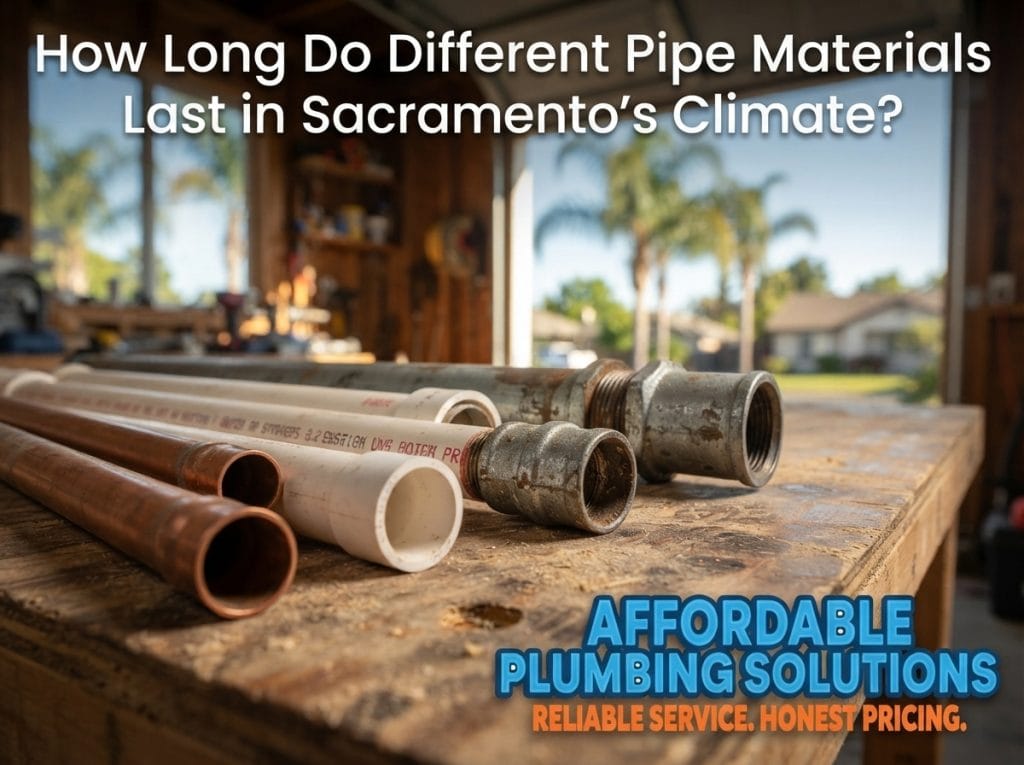
Different plumbing materials offer unique advantages in terms of durability, maintenance, installation, and cost. While some pipes can remain reliable for more than 100 years, others have a shorter service life depending on how they are used and maintained. This guide explains how long common plumbing pipe materials last, what impacts their longevity, and what homeowners should know before making plumbing decisions.
Average Lifespan of Common Pipe Materials
The lifespan of plumbing pipes depends on the material, installation quality, water conditions, and regular maintenance. While some piping materials can remain reliable for over 100 years, others typically require replacement after a few decades. Knowing the expected lifespan of each type helps homeowners make informed decisions about repairs, maintenance, and future plumbing upgrades.
- Copper Pipes: Typically last 50–70+ years and are valued for their durability, corrosion resistance, and long-term performance.
- PVC Pipes: Usually last 50–100 years and are commonly used for drain, waste, vent, and cold-water applications.
- PEX Pipes: Generally have a lifespan of 40–50 years and are known for their flexibility and resistance to freezing.
- Galvanized Steel Pipes: Often last 40–70 years, but internal corrosion can reduce water flow as they age.
- Cast Iron Pipes: Commonly remain functional for 75–100+ years when properly maintained, especially in sewer systems.
- Brass Pipes: Can last 70–100 years because they offer excellent corrosion resistance and structural strength.
- CPVC Pipes: Typically serve for 50–75 years and are suitable for both hot and cold water supply systems.
Although these are average estimates, proper installation, routine inspections, and good water quality can significantly extend the lifespan of any plumbing system.
Copper Pipes
Copper pipes are a popular choice for residential plumbing because they offer exceptional durability, reliable water flow, and a long service life. When installed correctly and maintained properly, they can provide dependable performance for several decades.
- Average Lifespan: 50–70+ years.
- Best For: Hot and cold water supply lines.
- Durability: Highly durable and resistant to everyday wear.
- Heat Resistance: Performs well under high water temperatures.
- Corrosion Resistance: Naturally resists corrosion in normal water conditions.
- Water Quality: Acidic water can shorten its lifespan.
- Maintenance Needs: Requires periodic inspections for early signs of corrosion.
- Common Problem: Pinhole leaks may develop in older pipes.
PVC Pipes
PVC (Polyvinyl Chloride) pipes are widely used for drain, waste, vent, irrigation, and cold-water plumbing systems. They are lightweight, affordable, and highly resistant to rust and chemical corrosion, making them one of the most popular plumbing materials for residential and commercial projects.
A properly installed PVC plumbing system can last 50 to 100 years under normal conditions. Since PVC does not corrode like metal pipes, it requires very little maintenance over its lifespan. However, it is not designed for hot water applications because high temperatures can weaken the material. Long-term exposure to direct sunlight may also reduce its durability if outdoor pipes are left unprotected.
PEX Pipes
PEX (Cross-Linked Polyethylene) has become one of the most widely used plumbing materials in modern homes because it combines flexibility with long-term reliability. Unlike rigid metal pipes, PEX can bend around corners, reducing the number of fittings needed and lowering the risk of future leaks.
Most PEX plumbing systems last around 40 to 50 years, although proper installation and favorable conditions may increase their lifespan. PEX is highly resistant to corrosion, mineral buildup, and freezing damage because it can expand slightly when water freezes. However, prolonged exposure to ultraviolet (UV) light can weaken the material, so it should always be installed away from direct sunlight.
Galvanized Steel Pipes
Galvanized steel pipes were commonly installed in homes built before the 1960s and were once considered a durable plumbing solution. These pipes are coated with zinc to help protect the steel underneath from corrosion during the early years of use.
Their average lifespan ranges from 40 to 70 years, depending on water quality and environmental conditions. As the zinc coating wears away over time, rust begins forming inside the pipe, gradually restricting water flow and reducing water pressure. Homeowners with older galvanized plumbing often notice rusty or discolored water, frequent leaks, and declining plumbing performance as the system reaches the end of its lifespan.
Cast Iron Pipes
Cast iron pipes have long been used for residential drain and sewer systems because of their exceptional strength and ability to withstand heavy underground loads. Their thick walls also help reduce the sound of running water, making them quieter than many plastic drainage systems.
Under normal conditions, cast iron pipes can last 75 to 100 years or longer. Although extremely durable, they are not immune to corrosion. Constant exposure to moisture can eventually cause rust, weakening the pipe walls over time. Tree root intrusion, shifting soil, and poor drainage conditions may also shorten the lifespan of underground cast iron sewer lines if regular inspections are neglected.
Brass Pipes
Brass pipes became popular in residential plumbing because they offer an excellent combination of durability, corrosion resistance, and dependable water flow. While they are less common in newer homes today, many older properties still have original brass plumbing that continues to perform well after decades of service.
Most brass pipes remain functional for 70 to 100 years, making them one of the longest-lasting plumbing materials available. High-quality brass resists corrosion better than many other metals and tolerates varying water temperatures without significant deterioration. However, lower-quality brass with excessive zinc content may experience dezincification, a process that weakens the pipe over time.
CPVC Pipes
CPVC (Chlorinated Polyvinyl Chloride) is specifically designed for both hot and cold water supply systems. It offers greater heat resistance than standard PVC while maintaining many of the same advantages, including corrosion resistance, lightweight construction, and relatively simple installation.
The average lifespan of CPVC pipes ranges from 50 to 75 years when installed correctly. They resist rust, mineral buildup, and many household chemicals, making them suitable for residential plumbing. Although CPVC performs well under normal operating temperatures, repeated physical impacts or prolonged UV exposure before installation can reduce its long-term durability.
Factors That Affect Pipe Lifespan
The lifespan of plumbing pipes is influenced by more than just the material they are made from. Everyday conditions such as water quality, installation methods, environmental factors, and household water usage all play an important role in determining how long a plumbing system remains reliable. Understanding these factors can help homeowners reduce premature wear and maximize the life of their pipes.
Water Quality & pH Levels
Water quality is one of the biggest factors affecting pipe longevity. Water that is highly acidic or contains excessive minerals can gradually corrode metal pipes or cause scale buildup that restricts water flow. Maintaining balanced water chemistry helps reduce corrosion, protect pipe interiors, and extend the lifespan of both metal and plastic plumbing systems.
Water Pressure
Consistently high water pressure places extra stress on pipes, fittings, and plumbing fixtures. Over time, this added strain can weaken joints, increase the risk of leaks, and shorten the overall lifespan of the plumbing system. Keeping water pressure within the recommended range helps prevent unnecessary wear and reduces the chances of unexpected pipe failures.
Installation Quality
Even the most durable pipe material may fail early if it is installed incorrectly. Poor connections, improper support, and low-quality workmanship can create weak points that develop leaks or structural problems over time. Professional installation ensures that pipes are properly fitted, securely supported, and capable of performing reliably for many years.
Climate & Temperature Fluctuations
Extreme weather conditions can significantly impact plumbing systems, especially in regions with freezing winters or intense heat. Frozen water can expand inside pipes, increasing the risk of cracks or burst pipes, while repeated temperature changes may weaken certain materials. Proper insulation and weather protection help minimize damage caused by seasonal temperature fluctuations.
Usage Frequency
The amount of daily water usage also affects how quickly plumbing pipes wear out. Homes with higher water demand place greater stress on the plumbing system, causing some components to age faster than those in lower-use households. Regular maintenance becomes even more important in busy households to ensure the system continues operating efficiently despite frequent use.
Signs Your Pipes Are Nearing the End of Their Lifespan
As plumbing pipes age, they gradually lose their strength and efficiency, often showing clear warning signs before a major failure occurs. Paying attention to these symptoms can help homeowners identify plumbing problems early, reduce repair costs, and prevent water damage. If several of these signs appear at the same time, it may indicate that your plumbing system is approaching the end of its expected lifespan.
Warning Sign
Possible Cause
Why It Matters
Discolored Water
Internal pipe corrosion or rust buildup
May indicate aging metal pipes that can affect water quality and require replacement.
Low Water Pressure
Mineral deposits, corrosion, or partially blocked pipes
Restricted water flow can reduce plumbing performance and signal pipe deterioration.
Frequent Leaks
Worn-out pipes, weakened joints, or material aging
Repeated leaks often suggest the plumbing system is no longer reliable.
Unusual Noises
High water pressure, loose pipes, or damaged fittings
Banging, rattling, or whistling sounds may indicate hidden plumbing issues that need attention.
Visible Corrosion or Rust
Moisture exposure and aging metal pipes
Rust, green stains, or flaking metal are common signs that pipes are nearing the end of their service life.
How to Extend the Life of Your Pipes
Proper maintenance is one of the most effective ways to maximize the lifespan of any plumbing system. Although every pipe material eventually wears out, regular care can slow deterioration, reduce repair costs, and improve overall plumbing performance.
Homeowners can help protect their plumbing system by following these best practices:
- Schedule regular plumbing inspections to detect problems early.
- Repair small leaks before they become major water damage.
- Maintain safe household water pressure to reduce stress on pipes.
- Install a water softener if hard water causes excessive mineral buildup.
- Insulate exposed pipes to protect them from freezing temperatures.
- Avoid flushing grease, chemicals, or debris that may damage plumbing.
- Replace aging or severely corroded pipes before complete failure occurs.
- Use qualified plumbing professionals for repairs and new installations.
With proper maintenance and timely repairs, most plumbing systems can provide reliable performance for decades. Taking preventive measures today helps reduce emergency plumbing issues, protects your home from water damage, and extends the life of your investment.
Conclusion
The lifespan of plumbing pipes depends on the material, water quality, installation, and ongoing maintenance. While durable materials like cast iron, brass, and copper can last for several decades, modern options such as PEX, PVC, and CPVC also provide reliable long-term performance when properly installed. Understanding the expected lifespan of each pipe material helps homeowners make informed decisions about maintenance, repairs, and future plumbing upgrades.
Regular inspections and timely maintenance are essential for extending the life of any plumbing system. Addressing issues such as corrosion, leaks, low water pressure, or aging pipes before they worsen can help prevent costly water damage and improve the overall reliability of your home's plumbing. Choosing the right pipe material and maintaining it properly ensures dependable performance for years to come.
FAQs
Do PVC pipes deteriorate over time?
Yes, PVC pipes can deteriorate over time due to prolonged UV exposure, extreme temperatures, or physical damage, although they typically last for several decades under normal conditions.
How often should home pipes be replaced?
Most home plumbing pipes only need replacement when they reach the end of their expected lifespan or show signs of significant deterioration, leaks, or corrosion.
Is copper better than PEX?
Copper offers a longer lifespan and excellent heat resistance, while PEX is more flexible, affordable, and easier to install. The better choice depends on your home's plumbing needs and budget.
What is the longest-lasting pipe material?
Cast iron and brass are among the longest-lasting plumbing materials, with properly maintained systems often lasting between 75 and 100 years or even longer.
How long does PVC material last?
PVC pipes generally last between 50 and 100 years, making them one of the most durable options for drain, waste, vent, and cold-water applications.
How often should you replace pipes?
There is no fixed replacement schedule for plumbing pipes. They should be replaced when they have reached their expected lifespan or begin showing recurring problems such as corrosion, leaks, or reduced water pressure.
REQUEST A SERVICE

Testimonials
Our Customer Feedback









Our customer feedback
Make Us Your First-Choice Plumbing Company
Are you tired of dealing with unreliable plumbers? Do you need a local plumbing company you can trust for all your plumbing needs? Your search ends with us. We are the plumbers to trust if you need prompt, affordable and reliable plumbing service in Carmichael. When you invite us into your home, you’re not just getting a temporary fix; you’re ensuring a lasting solution from a team that treats your plumbing needs with the utmost seriousness. Our prompt response to emergencies and our fervent dedication to solving your plumbing woes set us apart.
Get in touch
Thank you! Your submission has been received!
Oops! Something went wrong while submitting the form.
Where we serve
Our Service Areas
We proudly provide professional plumbing services across surrounding communities, delivering reliable repairs, installations, and maintenance wherever dependable plumbing support is needed.
- Sacramento
- Roseville
- Carmichael
- El Dorado Hills
- Orangevale
- Rocklin
- Granite Bay
- Citrus Heights
- Antelope
- Arden-Arcade
- Fair Oaks
- Folsom
- Lincoln
- Loomis
- Rancho Cordova
- Rio Linda
- North Highlands
- Elk Grove