
Affordable Plumbing was great to deal with! Had a problem with a very niche gas line in my home. Derek came right out to look at it and determined it would take a specialty fireplace company to replace. Really appreciated his honesty, integrity and communication. I’ll absolutely use them for my next plumbing needs.

How Much Does Water Heater Replacement Cost?
Replacing a water heater is something most homeowners will need to do at some point. If your current unit is no longer providing enough hot water, requires frequent repairs, or has simply reached the end of its lifespan, it may be time for a replacement. Understanding the water heater replacement cost before starting the project can help you set a realistic budget and avoid unexpected expenses. The total price depends on factors such as the type of water heater, its size, fuel source, installation requirements, and labor costs.
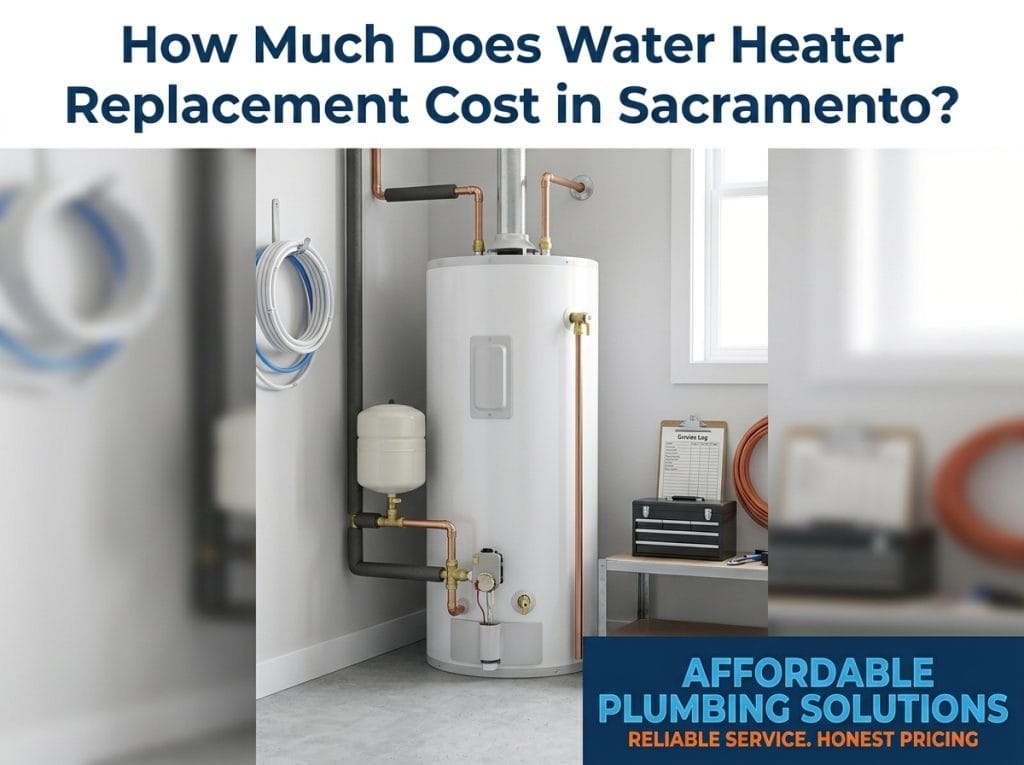
While the cost of the new unit is important, it is only one part of the overall expense. A complete water heater replacement may also include removing the old system, updating plumbing or electrical connections, meeting local building codes, and installing new accessories when needed. Choosing an energy-efficient model may cost more upfront, but it can lower your monthly energy bills and provide better long-term value. In this guide, you'll learn about the average water heater replacement cost, the factors that affect pricing, and how to choose the best option for your home and budget.
Average Costs for Water Heater Replacement
The average water heater replacement cost typically ranges from $1,000 to $3,500, depending on the type of water heater, its size, labor charges, and any additional installation work required. Standard tank water heaters usually cost less to replace than tankless or hybrid models, while plumbing upgrades, permits, and code compliance can increase the final price.
- Type of water heater
- Tank size or heating capacity
- Fuel source (electric, gas, propane, or solar)
- Professional labor costs
- Permit and inspection fees
- Plumbing or electrical upgrades
- Removal and disposal of the old unit
- Local building code requirements
Understanding these cost factors before replacing your water heater can help you set a realistic budget and choose a system that provides the best balance of performance, efficiency, and long-term value.
Water Heater Replacement Cost by Type
The type of water heater you choose is one of the biggest factors affecting replacement costs. Traditional tank models are usually the most affordable, while tankless and hybrid systems cost more because of their advanced technology and installation requirements. Comparing upfront costs, energy efficiency, and long-term operating expenses helps you choose the best option for your home and budget.
Tank Water Heater Cost
A tank water heater typically costs $1,000 to $2,200 to replace, including professional installation. These systems are easier to install in homes with existing tank units, helping keep labor costs lower. Their affordable price and dependable performance make them a popular choice for many homeowners.
Tankless Water Heater Cost
A tankless water heater generally costs $2,000 to $4,500 because installation often requires plumbing, gas line, or electrical upgrades. These units heat water on demand, providing continuous hot water while reducing standby energy loss. Although the upfront investment is higher, many homeowners save money over time through improved energy efficiency.
Hybrid / Heat Pump Water Heater Cost
A hybrid or heat pump water heater usually costs $2,000 to $4,000 for replacement and installation. These systems use heat from the surrounding air instead of generating it directly, making them highly energy efficient. While they have a higher purchase price, their lower operating costs can provide significant long-term savings.
Water Heater Replacement Cost by Fuel Source
The fuel source of your water heater affects both the installation cost and long-term operating expenses. Electric models are typically the least expensive to install, while gas and propane systems may require additional venting or fuel line modifications. Solar water heaters have the highest upfront cost but can deliver substantial energy savings over time, making it important to compare both initial and long-term costs before making a decision.
Electric Water Heater Cost
Replacing an electric water heater usually costs between $900 and $2,300, making it one of the most affordable replacement options. Electric models are relatively simple to install because they do not require gas lines or combustion venting, which often reduces labor costs.
They are widely available, easy to maintain, and suitable for homes without natural gas service. However, installation costs may increase if electrical panel upgrades or additional wiring are necessary. Electric water heaters remain a practical choice for homeowners seeking reliable performance and lower upfront installation expenses.
Gas Water Heater Cost
A gas water heater replacement generally costs between $1,200 and $3,000, depending on the unit size, venting system, and installation complexity. Natural gas water heaters heat water quickly and recover faster after heavy use, making them ideal for larger households with greater hot water demand.
If your home already has existing gas connections, replacement is often more straightforward than converting from another fuel source. Additional costs may arise if venting systems or gas lines need to be upgraded to meet current building codes. Despite higher installation costs than electric models, gas water heaters often provide lower operating costs where natural gas prices are affordable.
Propane Water Heater Cost
A propane water heater typically costs between $1,300 and $3,200 to replace, depending on the system size and installation requirements. These water heaters operate similarly to natural gas models but are commonly used in rural areas where municipal gas service is unavailable.
Installation may involve propane line connections, ventilation improvements, or modifications to existing fuel storage systems. Propane units offer fast water heating and dependable performance, making them a strong alternative for homes that cannot access natural gas. Although fuel prices vary by region, propane remains an effective option for many homeowners.
Solar Water Heater Cost
A solar water heater replacement generally ranges from $4,000 to $10,000 because the system includes solar collectors, storage components, and specialized installation. These water heaters use renewable solar energy to heat water, helping reduce monthly utility bills and long-term energy consumption.
Installation is more complex than conventional systems and may require roof modifications, plumbing changes, and backup heating equipment. While the upfront investment is considerably higher, homeowners can often recover costs through lower operating expenses and available energy incentives. Solar water heaters are best suited for sunny climates where renewable energy can provide consistent long-term savings.
Water Heater Replacement Cost by Size
The size of your water heater directly impacts the total replacement cost because larger units generally cost more to purchase and install. Choosing the right capacity ensures your household has enough hot water while avoiding unnecessary energy expenses. The ideal size depends on your family's hot water usage, the number of occupants, and the number of bathrooms in your home.
Water Heater Size
Recommended Household Size
Average Replacement Cost
30–40 Gallons
1–2 People
$900–$1,800
40–50 Gallons
2–4 People
$1,000–$2,200
50–60 Gallons
3–5 People
$1,200–$2,600
75–80 Gallons
5+ People
$1,800–$3,500
Tankless (Based on GPM)
Varies by Demand
$2,000–$4,500
Water Heater Replacement Cost by Brand
The water heater brand you choose can significantly influence the total replacement cost because manufacturers differ in pricing, build quality, energy efficiency, and warranty coverage. Well-known brands often cost more upfront but typically offer better reliability, advanced features, and longer product lifespans. While budget-friendly brands may have a lower purchase price, they may include shorter warranties or fewer efficiency features. Comparing brands based on both initial cost and long-term value helps homeowners make a smarter investment.
- Brand reputation and overall product quality
- Warranty length and coverage
- Energy-efficiency ratings
- Tank or tankless model availability
- Advanced features such as smart controls or leak detection
- Availability of replacement parts
- Installation requirements for specific models
- Manufacturer support and customer service
Choosing a reputable brand with a strong warranty can reduce future repair costs and provide greater peace of mind throughout the life of your water heater.
Factors That Affect Water Heater Replacement Cost
While the type of water heater plays a major role in pricing, several additional factors can significantly impact the total replacement cost. Installation complexity, labor requirements, permits, equipment upgrades, and the condition of your existing plumbing system all influence the final price. Understanding these cost factors helps homeowners prepare a realistic budget and avoid unexpected expenses during installation.
Brand and Warranty
The manufacturer you choose and the warranty included with the water heater both affect the replacement cost. Premium brands usually cost more because they offer higher-quality components, longer warranties, and better energy efficiency. Extended warranty coverage may increase the purchase price but can reduce future repair and replacement expenses. Investing in a reliable brand often provides better long-term value than selecting the lowest-priced model.
Accessibility of Installation Area
The location of the existing water heater can increase labor costs if it is difficult to access. Units installed in crawl spaces, tight utility closets, attics, or finished basements often require additional time and specialized equipment for safe removal and installation. Easy-to-access installations typically reduce labor hours and overall replacement costs. Accessibility becomes even more important when installing larger or heavier water heater models.
Permit & Inspection Fees
Many cities require permits when replacing a water heater to ensure the installation complies with local plumbing, electrical, and building codes. Permit costs usually range from $50 to $300, depending on local regulations. After installation, an inspection may also be required before the project is considered complete. Although permits add to the overall cost, they help ensure the water heater is installed safely and meets current code requirements.
Old Unit Removal and Disposal Cost
Removing the existing water heater is often included in a replacement estimate, but some contractors charge separately for this service. Disposal costs generally range from $50 to $250, depending on the size of the unit and local recycling or disposal regulations. Older tanks can be heavy and difficult to remove, especially from confined spaces. Professional disposal also ensures environmentally responsible handling of recyclable materials.
Plumbing or Electrical Modifications
If the new water heater requires different plumbing connections or electrical upgrades, installation costs will increase. Older homes may need new shut-off valves, upgraded water lines, electrical circuits, or breaker panel improvements before the replacement can be completed. Switching between electric and gas water heaters may involve even more extensive modifications. These upgrades improve safety, efficiency, and compliance with modern building codes.
Venting/Ductwork Changes
Gas and tankless water heaters often require proper venting systems to safely remove combustion gases from the home. If the existing vent no longer meets current code requirements or is incompatible with the new unit, replacing or upgrading the venting system adds to the installation cost. Some high-efficiency models require specialized vent materials or new exhaust configurations. Proper venting is essential for safe operation and helps maximize the performance and lifespan of the water heater.
How to Save Money on Water Heater Replacement
You can reduce water heater replacement costs by planning ahead and making informed decisions before installation. Comparing quotes from multiple licensed plumbers, selecting the right-sized water heater, and choosing an energy-efficient model can help lower both upfront and long-term expenses. Regular maintenance after installation also extends the lifespan of your new water heater, reducing the need for costly repairs or early replacement.
- Get estimates from at least three licensed plumbing contractors.
- Choose the correct water heater size for your household.
- Replace the unit before it fails and requires emergency service.
- Ask about manufacturer rebates and local energy-efficiency incentives.
- Maintain the water heater regularly to improve efficiency and lifespan.
- Compare warranty coverage before purchasing.
- Reuse existing plumbing or venting when it safely meets code requirements.
- Schedule installation during regular business hours to avoid emergency fees.
Conclusion
Replacing a water heater is an important investment that affects your home's comfort, energy efficiency, and daily hot water supply. The total water heater replacement cost depends on several factors, including the type of unit, size, fuel source, brand, labor charges, and any plumbing or electrical modifications required. Understanding these cost factors allows homeowners to set a realistic budget and choose a system that meets both their household needs and long-term financial goals.
While the cheapest option may seem appealing, selecting a reliable, energy-efficient water heater with professional installation often provides better value over time. Comparing multiple quotes, choosing the correct unit size, and considering future operating costs can help you make a cost-effective decision. With proper maintenance, a quality water heater can provide dependable performance and lower utility expenses for many years.
FAQs
How long does a water heater replacement take?
A standard water heater replacement usually takes 2 to 4 hours. More complex installations, such as tankless conversions or plumbing upgrades, may require additional time.
Is it cheaper to repair or replace a water heater?
Repairs are generally less expensive for newer water heaters with minor issues. If the unit is older, leaking, or requires frequent repairs, replacement is often the more cost-effective long-term solution.
How much does it cost to replace a water heater with tankless?
Replacing a traditional tank water heater with a tankless system typically costs between $2,000 and $4,500, depending on the unit, labor, and any required gas, electrical, or venting upgrades.
How often should a water heater be replaced?
Most traditional tank water heaters last 8 to 12 years, while tankless models can last 15 to 20 years with proper maintenance. Replacing an aging unit before it fails can help prevent unexpected water damage.
What is the normal cost to replace a hot water heater?
The average hot water heater replacement cost ranges from $1,000 to $3,500, including the unit and professional installation. Premium or high-efficiency systems may cost more depending on installation requirements.
Should I replace my 20-year-old water heater?
Yes. A 20-year-old water heater has exceeded the expected lifespan of most residential units and is more likely to experience leaks, reduced efficiency, and unexpected breakdowns. Replacing it can improve energy efficiency, reliability, and overall home safety.
REQUEST A SERVICE

Testimonials
Our Customer Feedback









Our customer feedback
Make Us Your First-Choice Plumbing Company
Are you tired of dealing with unreliable plumbers? Do you need a local plumbing company you can trust for all your plumbing needs? Your search ends with us. We are the plumbers to trust if you need prompt, affordable and reliable plumbing service in Carmichael. When you invite us into your home, you’re not just getting a temporary fix; you’re ensuring a lasting solution from a team that treats your plumbing needs with the utmost seriousness. Our prompt response to emergencies and our fervent dedication to solving your plumbing woes set us apart.
Get in touch
Thank you! Your submission has been received!
Oops! Something went wrong while submitting the form.
Where we serve
Our Service Areas
We proudly provide professional plumbing services across surrounding communities, delivering reliable repairs, installations, and maintenance wherever dependable plumbing support is needed.
- Sacramento
- Roseville
- Carmichael
- El Dorado Hills
- Orangevale
- Rocklin
- Granite Bay
- Citrus Heights
- Antelope
- Arden-Arcade
- Fair Oaks
- Folsom
- Lincoln
- Loomis
- Rancho Cordova
- Rio Linda
- North Highlands
- Elk Grove