
Affordable Plumbing was great to deal with! Had a problem with a very niche gas line in my home. Derek came right out to look at it and determined it would take a specialty fireplace company to replace. Really appreciated his honesty, integrity and communication. I’ll absolutely use them for my next plumbing needs.

How to Choose a Licensed Pipe Repair Plumber
Pipe problems do not wait for a convenient time. A leaking pipe, a stubborn clog, or a sudden drop in water pressure can escalate into serious property damage within hours. The repair itself matters — but so does the person performing it. Choosing the right pipe repair plumber is the difference between a lasting fix and a recurring nightmare. Get it right, and your plumbing stays reliable for years. Get it wrong, and you are back to square one — with a bigger bill.
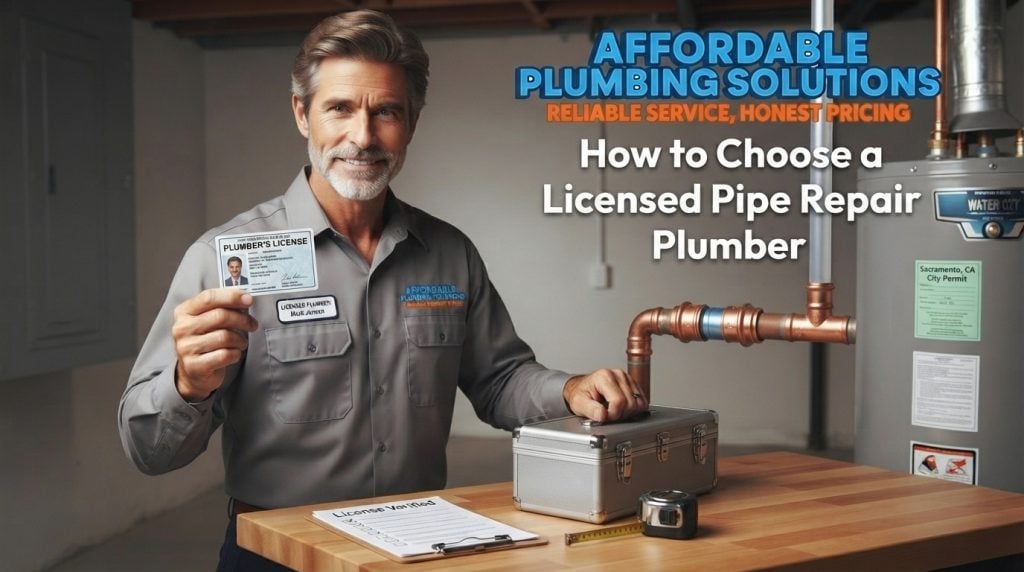
The problem is that not every plumber brings the same skills, training, or accountability to the job. Many homeowners make the mistake of hiring based on price alone, only to discover that the cheapest quote came with cut corners, missing licenses, or zero insurance coverage. Knowing what to look for before you hire protects your home, your wallet, and your peace of mind. This guide breaks down exactly what separates a qualified pipe repair plumber from one who will cost you more in the long run.
Why Hiring a Licensed Pipe Repair Plumber Matters
When searching for a pipe repair specialist, licensing should be one of the first qualifications you verify. A plumbing license demonstrates that the professional has completed required training, passed competency examinations, and meets local regulatory standards. Hiring a licensed plumber provides greater confidence that repairs will be completed safely, correctly, and in compliance with applicable building codes.
Risks of Hiring an Unlicensed Plumber
Hiring an unlicensed plumber may seem like a way to reduce repair costs, but it can lead to serious plumbing and financial problems. Without proper training and certification, there is no guarantee that the contractor understands industry standards or local plumbing regulations.
- Inadequate plumbing knowledge and training
- Incorrect pipe repair methods
- Increased risk of recurring leaks
- Water damage to walls, floors, and ceilings
- Lack of proper permits and inspections
- No liability insurance protection
- No workers' compensation coverage
- Limited accountability if issues arise
- Potential safety hazards
- No warranty on completed work
Benefits of a Licensed Pipe Repair Professional
A licensed pipe repair professional has the qualifications, experience, and technical knowledge needed to perform repairs correctly. Their training helps ensure that plumbing issues are diagnosed accurately and resolved using approved repair methods.
- Verified licensing and professional credentials
- Accurate diagnosis of pipe issues
- Compliance with local plumbing regulations
- Proper permit handling when required
- Liability insurance coverage
- Workers' compensation protection
- Higher-quality workmanship
- Access to modern repair equipment
- Warranty coverage on labor and parts
How to Verify a Plumber's License and Credentials
Verifying credentials is an essential step before hiring any pipe repair contractor. While many plumbers advertise their qualifications, homeowners should independently confirm licenses, insurance coverage, certifications, and professional standing. Taking a few minutes to verify these details can help prevent expensive problems and ensure you are working with a legitimate professional.
Licenses Should a Pipe Repair Plumber Have
The specific licenses required for plumbing work vary by state and municipality. In most areas, plumbers progress through licensing levels such as apprentice, journeyman, and master plumber. Each level requires specific training, practical experience, and examination requirements before certification is granted.
For pipe repair work, homeowners should confirm that the plumber holds an active license that authorizes residential plumbing services. If the project involves extensive excavation, sewer repairs, or large-scale pipe replacement, additional contractor licenses may also be required. Asking for license information before scheduling work helps verify qualifications and professionalism.
Check a Plumber's License Online
Most licensing boards provide online verification tools that allow consumers to confirm a plumber's credentials quickly. These databases typically display important information including license status, expiration dates, business registration details, and disciplinary records.
Before hiring a contractor, search for their license number through the appropriate state or local licensing agency. An active license with no significant disciplinary actions is generally a positive sign. Reputable plumbers are usually willing to provide license information and encourage potential customers to verify their credentials independently.
10 Key Factors to Consider When Choosing a Pipe Repair Plumber
Beyond licensing and insurance, several additional factors can help homeowners identify a reliable pipe repair professional. Evaluating these areas provides a more complete picture of a plumber's expertise, customer service, and ability to deliver quality results. The following considerations can help you make a confident and informed hiring decision.
1. Valid License and Certification
A valid plumbing license serves as evidence that the contractor has met minimum industry standards and possesses the qualifications required to perform plumbing repairs. Licensing requirements are designed to ensure that professionals understand plumbing systems, safety procedures, and local building regulations.
Additional certifications can indicate specialized training in areas such as leak detection, trenchless pipe repair, sewer diagnostics, and advanced plumbing technologies. While certifications may not always be required, they often demonstrate a commitment to ongoing education and professional development.
2. Experience with Pipe Repair Specifically
General plumbing experience is valuable, but pipe repair requires a specific set of skills. Diagnosing damaged pipes often involves identifying hidden leaks, corrosion, pressure issues, root intrusion, or structural deterioration within the plumbing system.
An experienced pipe repair plumber can evaluate multiple repair options and recommend the most effective solution based on the condition of the pipes. Their familiarity with various pipe materials, repair methods, and diagnostic technologies often leads to faster problem resolution and more durable results.
3. Liability Insurance and Worker's Comp
Insurance coverage should never be overlooked when evaluating plumbing contractors. Even highly skilled professionals can encounter unforeseen circumstances during repair projects. Without adequate insurance, homeowners may face significant financial responsibility if property damage or workplace injuries occur.
Request proof of both general liability insurance and workers' compensation coverage before work begins. Verifying these policies helps protect your investment, reduces potential legal exposure, and demonstrates that the plumbing company operates responsibly and professionally.
4. Written Estimates and Transparent Pricing
A trustworthy pipe repair plumber should always provide a written estimate before starting any work. This document should clearly outline labor costs, material expenses, permit fees, equipment charges, and any additional costs that may arise during the project. Written estimates help homeowners understand exactly what they are paying for and prevent unexpected charges later.
Transparent pricing also demonstrates professionalism and honesty. Reputable plumbers take time to explain their pricing structure and answer questions about the estimate. If a contractor refuses to provide a detailed quote or seems vague about costs, it may be a sign to consider other options.
5. Positive Reviews and Local Reputation
Customer reviews provide valuable insight into a plumber's reliability, workmanship, and customer service. Reading online reviews can help homeowners identify patterns in customer experiences and determine whether a contractor consistently delivers quality pipe repair services.
Local reputation is equally important. A plumber who has served the community for several years often has a track record that speaks for itself. Recommendations from neighbors, friends, family members, and local businesses can provide additional confidence when choosing a pipe repair professional.
6. Warranty on Work and Parts
Quality plumbers stand behind their work by offering warranties on labor and replacement parts. A warranty provides protection if problems arise after the repair is completed and demonstrates the contractor's confidence in the quality of their workmanship.
Before hiring a plumber, ask what warranty coverage is included and how long it remains valid. Understanding the warranty terms can help avoid confusion later and ensure you receive support if additional repairs become necessary within the covered period.
7. Emergency Availability and Response Time
Pipe leaks and plumbing emergencies rarely occur at convenient times. Burst pipes, major leaks, and sewer backups often require immediate attention to prevent extensive property damage. Choosing a plumber who offers emergency services can be extremely beneficial when urgent repairs are needed.
Response time is another important factor. A contractor who can quickly assess and address a plumbing emergency may help minimize water damage and reduce repair costs. Ask potential plumbers about their availability, emergency procedures, and average response times before making a hiring decision.
8. Use of Modern Equipment and Techniques
Modern plumbing technology allows pipe repair plumbers to identify and fix problems more accurately while minimizing disruption to your property. Contractors who use advanced equipment can often complete repairs faster, improve diagnostic accuracy, and provide more cost-effective solutions than traditional methods.
Equipment/Technique
Purpose
Key Benefit
Video Pipe Inspection Cameras
Inspect the inside of pipes
Accurately identifies blockages, cracks, and damage
Electronic Leak Detection
Locates hidden water leaks
Reduces unnecessary wall or floor removal
Hydro Jetting Equipment
Clears stubborn clogs and buildup
Restores pipe flow efficiently
Trenchless Pipe Repair
Repairs pipes with minimal digging
Minimizes landscape and property disruption
Pipe Locating Technology
Pinpoints underground pipe locations
Speeds up diagnosis and repair planning
Digital Pressure Testing
Detects pressure loss and leaks
Improves troubleshooting accuracy
9. Clear Communication and Professionalism
Good communication is essential throughout any plumbing project. Professional plumbers should explain the problem, discuss available repair options, answer questions clearly, and keep homeowners informed about project timelines and costs.
Professionalism extends beyond communication. Arriving on time, treating customers respectfully, maintaining a clean work area, and providing accurate documentation are all signs of a reputable contractor. These qualities help create a positive customer experience and build trust throughout the repair process.
10. Permits and Code Compliance
Certain pipe repair and replacement projects require permits and inspections from local authorities. Licensed plumbers understand these requirements and can ensure that all work complies with applicable building codes and regulations.
Code-compliant repairs help protect property value, improve safety, and reduce the likelihood of future plumbing issues. Contractors who attempt to bypass permit requirements may expose homeowners to legal complications, failed inspections, and expensive corrective work later.
Questions to Ask Before Hiring a Pipe Repair Plumber
Before hiring a pipe repair plumber, it's important to ask questions that help verify their qualifications, experience, and reliability. The answers can give you a clearer understanding of their expertise, pricing practices, and ability to handle your specific plumbing issue.
Asking these questions upfront can help you avoid costly mistakes and choose a professional you can trust.
- Are you licensed and insured to perform pipe repair work in this area?
- How many years of experience do you have with pipe repairs?
- Have you handled similar pipe problems before?
- Can you provide references or customer testimonials?
- Will you provide a written estimate before starting work?
- What is included in the quoted price?
- Do you offer warranties on labor and replacement parts?
- How long will the repair project take to complete?
- Will permits or inspections be required for this repair?
Red Flags to Avoid When Hiring a Pipe Repair Plumber
While many plumbing professionals provide excellent service, some warning signs may indicate potential problems. Recognizing these red flags early can help homeowners avoid poor workmanship, hidden costs, and unnecessary stress during the repair process.
Pay close attention to how a contractor communicates, handles estimates, discusses licensing, and responds to questions. A reputable plumber should be transparent, professional, and willing to provide documentation when requested.
No License or Reluctant to Show It
One of the most significant warning signs is a contractor who refuses to provide license information or becomes defensive when asked about credentials. Legitimate plumbers understand the importance of licensing and generally make this information readily available.
If a contractor cannot verify their license status, homeowners should proceed with caution. Hiring an unlicensed individual may increase the risk of code violations, substandard repairs, and financial liability if problems occur.
Extremely Low Bids with No Explanation
A quote that is dramatically lower than competing estimates may seem attractive, but it can indicate hidden issues. Some contractors intentionally provide unrealistically low prices to secure work and later add unexpected charges or use lower-quality materials.
A professional plumber should be able to explain how the estimate was calculated and what services are included. Comparing multiple quotes can help homeowners identify pricing that is reasonable and consistent with local market conditions.
Demands Full Payment Upfront
Most reputable plumbers require a deposit or partial payment schedule rather than demanding full payment before any work begins. Contractors who insist on complete payment upfront may create unnecessary financial risk for homeowners. Payment arrangements should be clearly outlined in the contract. Homeowners should be cautious when a plumber requests full compensation before materials are delivered or work has started.
No Written Contract or Vague Estimates
A written contract protects both parties by clearly defining project expectations, costs, timelines, and warranty terms. Contractors who avoid written agreements may leave room for misunderstandings or disputes later. Similarly, vague estimates that lack detailed pricing information can make it difficult to evaluate the true cost of the project. Always request written documentation before authorizing any repair work.
Negative or No Online Reviews
Online reviews are not the only factor to consider, but they can provide useful information about customer experiences. Consistently negative reviews involving poor workmanship, missed appointments, or billing disputes should be taken seriously.
A complete absence of reviews may also warrant additional research. While newer businesses may have limited feedback, established plumbing companies typically have some online presence that allows potential customers to evaluate their reputation.
Find a Licensed Pipe Repair Plumber Near You
Finding a licensed pipe repair plumber starts with researching qualified professionals in your local area. Look for plumbers who have active licenses, proper insurance coverage, positive customer reviews, and experience handling pipe repair projects similar to yours. Taking time to compare multiple contractors can help you find a reliable professional who meets your needs and budget.
Before hiring, verify credentials through your local licensing authority and request written estimates from several plumbers. Combining online research, customer feedback, and direct communication can help you choose a trustworthy pipe repair specialist who provides quality workmanship and code-compliant repairs.
Conclusion
Choosing the right pipe repair plumber is essential for protecting your home's plumbing system and avoiding costly future repairs. A licensed professional offers the training, experience, insurance coverage, and accountability needed to complete repairs safely and in compliance with local building codes. Taking time to verify credentials, compare estimates, and evaluate customer reviews can help you make a confident hiring decision.
The best pipe repair plumbers combine technical expertise with transparent pricing, professional communication, and quality workmanship. By focusing on licensing, experience, warranties, reputation, and code compliance, homeowners can reduce risks and ensure their pipe repair project is completed correctly the first time.
Frequently Asked Questions
Q: How do I know if a plumber is licensed?
Most states and local authorities provide online license verification tools. You can also ask the plumber for their license number and verify its status through the appropriate licensing agency.
Q: What is the difference between a licensed and certified plumber?
A licensed plumber has met government or local regulatory requirements to legally perform plumbing work. Certification usually refers to additional training or specialized credentials in specific plumbing services or repair techniques.
Q: Can I do my own pipe repair without a plumber?
Minor repairs may be possible for experienced homeowners, but complex pipe repairs often require professional expertise. Improper repairs can lead to leaks, water damage, and code violations.
Q: How much should I pay for pipe repair?
Pipe repair costs vary depending on the location, severity of the damage, pipe material, and repair method. Obtaining multiple written estimates can help you compare pricing and determine a fair cost.
Q: What should I look for in a plumber for pipe repair?
Look for a plumber with a valid license, insurance coverage, relevant pipe repair experience, positive customer reviews, transparent pricing, and warranty-backed workmanship.
What should I look for when hiring a plumbing contractor?
A reputable plumbing contractor should have proper licensing, insurance, strong local references, clear communication, written estimates, and a commitment to code-compliant work. Professionalism and experience are also important factors when making your decision.
REQUEST A SERVICE

Testimonials
Our Customer Feedback









Our customer feedback
Make Us Your First-Choice Plumbing Company
Are you tired of dealing with unreliable plumbers? Do you need a local plumbing company you can trust for all your plumbing needs? Your search ends with us. We are the plumbers to trust if you need prompt, affordable and reliable plumbing service in Carmichael. When you invite us into your home, you’re not just getting a temporary fix; you’re ensuring a lasting solution from a team that treats your plumbing needs with the utmost seriousness. Our prompt response to emergencies and our fervent dedication to solving your plumbing woes set us apart.
Get in touch
Thank you! Your submission has been received!
Oops! Something went wrong while submitting the form.
Where we serve
Our Service Areas
We proudly provide professional plumbing services across surrounding communities, delivering reliable repairs, installations, and maintenance wherever dependable plumbing support is needed.
- Sacramento
- Roseville
- Carmichael
- El Dorado Hills
- Orangevale
- Rocklin
- Granite Bay
- Citrus Heights
- Antelope
- Arden-Arcade
- Fair Oaks
- Folsom
- Lincoln
- Loomis
- Rancho Cordova
- Rio Linda
- North Highlands
- Elk Grove