
Affordable Plumbing was great to deal with! Had a problem with a very niche gas line in my home. Derek came right out to look at it and determined it would take a specialty fireplace company to replace. Really appreciated his honesty, integrity and communication. I’ll absolutely use them for my next plumbing needs.

How Does Whole-Home Repiping Work?
Whole-home repiping is the process of replacing all the water supply lines in a house to restore a safe, efficient, and reliable plumbing system. It is typically needed when older pipes begin to wear out and start causing frequent issues like leaks, reduced water pressure, or rusty and discolored water. Instead of fixing problems one by one, repiping addresses the entire system at once for a more permanent solution.
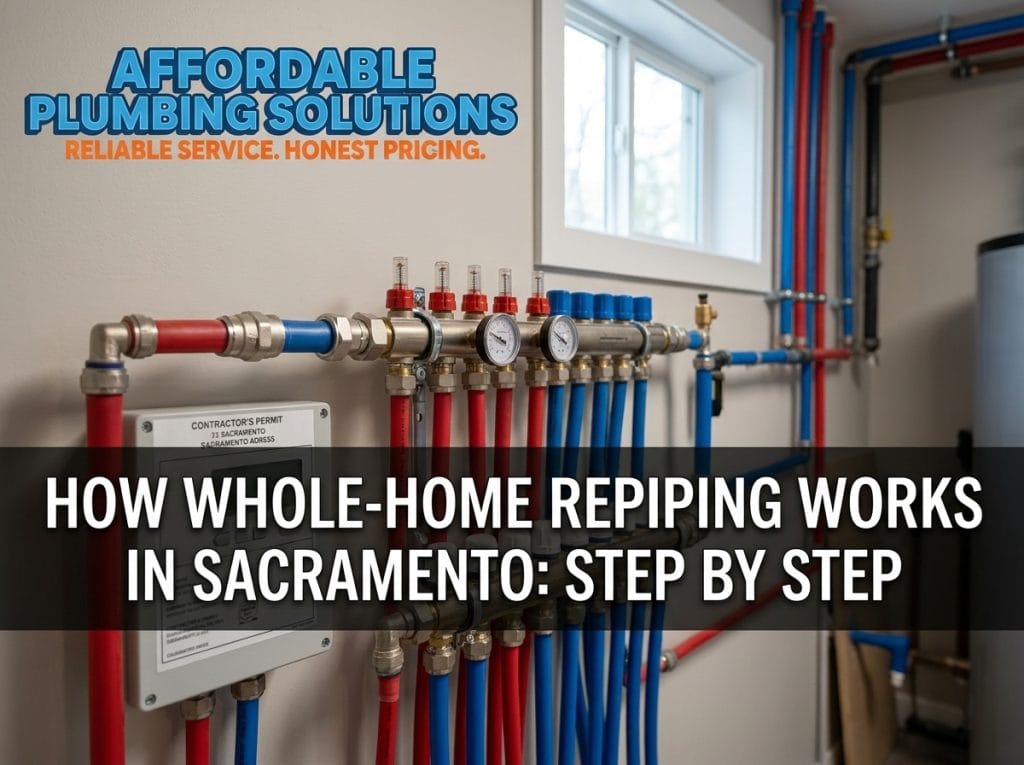
By upgrading the whole plumbing network, homeowners can improve water flow, reduce ongoing repair costs, and prevent unexpected pipe failures in the future. Modern piping materials also offer better durability and longer service life compared to older systems. While the process may involve short-term disruption, it delivers a stronger, cleaner, and more dependable plumbing system for years to come.
Several Warning Signs Point to the Need for Whole-House Repiping
Whole-house repiping becomes necessary when plumbing issues start happening across multiple areas of the home instead of just one spot. These problems usually indicate that the entire piping system is aging and no longer working efficiently. Ignoring these signs can lead to bigger leaks, water damage, and higher repair costs over time.
- Frequent leaks: Pipes keep developing leaks in different areas of the house.
- Low water pressure: Water flow becomes weak in showers and taps throughout the home.
- Rusty or discolored water: Water changes color due to corrosion inside old pipes.
- High water bills: Bills increase without any change in water usage.
- Old plumbing system: Pipes are decades old and close to failure.
Whole-Home Repiping Relies on a Few Common Pipe Materials
Repiping projects usually use materials like PEX, copper, or CPVC depending on the home’s needs. Each material offers different advantages in terms of cost, durability, and installation method. A plumber chooses the best option after inspecting the plumbing system.
These materials are designed to improve water flow and reduce long-term maintenance. They are much more reliable than outdated piping systems found in older homes. Choosing the right material is important for long-lasting performance.
PEX piping for flexible installation
PEX piping is flexible and easy to install in tight spaces. It reduces the need for many joints, which lowers the chances of leaks. This makes it a popular choice for modern repiping projects. It also performs well in different temperature conditions. PEX can bend around corners without breaking or requiring extra fittings. This helps speed up the installation process significantly.
Copper and CPVC as durable alternatives
Copper piping is strong and long-lasting, making it a premium choice for many homes. It resists bacteria and works well under different water conditions. However, it is more expensive than other materials. CPVC is a more affordable option that still offers good durability. It works well for both hot and cold water systems. This makes it a practical choice for budget-conscious homeowners.
The Whole-Home Repiping Process Follows a Defined Sequence
Whole-home repiping is completed through a structured step-by-step process that ensures the entire plumbing system is replaced safely and efficiently. Each stage is carefully planned to minimize damage to the home and maintain proper water system design. From inspection to final testing, every step plays an important role in delivering a reliable plumbing upgrade.
Inspection and planning stage
The process begins with a full inspection of the existing plumbing system to understand its condition. Plumbers identify weak pipes, leak-prone areas, and the overall layout of the home’s water lines. This helps create a clear repiping plan tailored to the property.
During planning, the plumber decides where new pipes will be installed and how to access old ones with minimal disruption. This step ensures the project runs smoothly and avoids unnecessary damage to walls or flooring. Proper planning also helps reduce installation time.
Old pipe removal and preparation
Once the plan is ready, the water supply is turned off to begin the work safely. Plumbers create small access points in walls or ceilings to reach the existing pipes. Old pipes are then carefully removed or bypassed depending on the system design.
The home is also prepared to protect floors, furniture, and fixtures from dust or damage. This stage is important because it sets up a clean and controlled work environment. Proper preparation helps make the installation process faster and more efficient.
New pipe installation and testing
After removal, new pipes are installed according to the planned layout. Each connection is carefully secured to ensure proper water flow and prevent future leaks. The system is designed to provide balanced water pressure throughout the home.
Once installation is complete, the entire system is tested for leaks and performance. Plumbers check each fixture to ensure everything is working correctly. Any issues are fixed before closing walls and restoring the home.
Repiping Timelines Depend on Home Size and Material Choice
The time required for repiping depends on the size of the house and the complexity of the plumbing system. Smaller homes can be completed quickly, while larger homes take more time. The overall timeline also depends on the condition of existing pipes.
Material choice also affects how long the process takes. Some materials are easier and faster to install than others. Unexpected issues can also slightly extend the project duration.
Home size and layout complexity
Larger homes have more bathrooms and water lines to replace. This increases the amount of work required for completion. Complex layouts also take more time to manage properly. Homes with difficult access points may slow down the process. Finished walls and tight spaces require extra care. This can extend the timeline slightly.
Material choice and installation speed
PEX is the fastest material to install because it is flexible and requires fewer fittings. This reduces labor time and speeds up the entire project. It is commonly used in modern repiping jobs. Copper takes longer because it requires precise cutting and soldering. However, it is very durable and long-lasting. Many homeowners still prefer it for its reliability.
Several Factors Influence Whole-House Repiping Costs
Whole-house repiping costs can vary significantly because every home has different plumbing conditions, layouts, and material needs. The total price is not fixed and depends on how complex the system is and how much work is required to replace old pipes. Homes with difficult access points or older plumbing systems usually require more labor and time, which increases the overall cost.
- Home size and total square footage
- Type of piping material used (PEX, copper, CPVC)
- Pipe accessibility behind walls or ceilings
- Condition of existing plumbing system
- Local labor rates and contractor pricing
- Number of bathrooms, kitchens, and water lines
Repiping Differs From Spot Repairs in Scope and Value
Repiping and spot repairs differ mainly in scope and long-term effectiveness. Spot repairs fix isolated pipe issues, while repiping replaces the entire plumbing system. This makes repiping a more complete and permanent solution for aging plumbing systems.
Spot repairs as a temporary solution
Spot repairs are used to fix specific leaks or damaged sections of pipe. They are quick and less expensive, making them useful for minor issues. However, they do not address the overall condition of the plumbing system. Over time, other sections of old pipes may start failing. This leads to repeated repair work and ongoing maintenance costs. Therefore, spot repairs are often only a short-term fix.
Full repiping as a long-term solution
Full repiping replaces all old pipes with new materials designed for durability. This eliminates recurring leaks and improves overall water flow. It also enhances water quality and system reliability. Although the upfront cost is higher, it reduces future repair expenses. Homeowners benefit from a stable and long-lasting plumbing system. This makes repiping a better long-term investment.
Preparing a Home Before Repiping Begins Reduces Disruption
Preparing a home before whole-house repiping starts is an important step that helps reduce mess, delays, and inconvenience during the project. Proper preparation allows plumbers to access plumbing lines more easily and work in a more organized way. It also helps protect the home’s interior from unnecessary damage during installation.
Good preparation ensures the entire repiping process runs more smoothly from start to finish. Homeowners who plan ahead usually experience less disruption to daily routines. It also helps speed up the overall project timeline and improves work efficiency.
Clearing access to plumbing areas
Homeowners should move furniture and household items away from walls where plumbing work will take place. This creates enough space for plumbers to reach pipe locations without obstacles. It also reduces the risk of accidental damage to personal belongings.
Clear access helps workers complete their tasks faster and more safely. It also allows better visibility for identifying pipe routes inside walls. Overall, it makes the installation process more efficient.
Protecting floors and furniture
Covering floors and furniture with protective sheets helps prevent dust, debris, and scratches during repiping work. This is especially important in areas where walls or ceilings need to be opened. Proper protection keeps the home cleaner during construction.
It also reduces the need for extra cleaning or repairs after the project is completed. Many professionals take steps to protect surfaces, but homeowner preparation adds an extra layer of safety. This ensures minimal disruption inside the house.
Planning temporary water disruption
Since repiping requires shutting off the main water supply, homeowners should prepare for temporary water interruptions. This may affect daily activities like cooking, bathing, and cleaning. Planning ahead helps reduce inconvenience during this period.
Storing water in advance or adjusting daily routines can make the process easier. It also helps families manage basic needs while the plumbing system is being upgraded. Proper planning ensures a smoother overall experience.
Cost Considerations Shape Every Whole-House Repiping Decision
Whole-home repiping costs depend on several important factors such as home size, material choice, and labor requirements. Each project is different, so pricing is never fixed. The complexity of the plumbing system also affects the total cost significantly.
Cost Factor
Impact on Price
Home size
Larger homes require more materials and labor
Pipe material
PEX, copper, and CPVC vary in price
Pipe access
Hard-to-reach pipes increase labor cost
Labor rates
Regional pricing affects total expense
System condition
Damaged systems require extra repair work
Whole-House Repiping Follows a Structured Process
Whole-house repiping follows a clear step-by-step process to ensure safe and efficient replacement of plumbing systems. The process includes inspection, preparation, pipe removal, installation, testing, and final restoration. Each stage is carefully managed to ensure long-term performance.
Inspection and planning stage
The process begins with a full inspection of the plumbing system to identify leaks and weak points. Plumbers study the pipe layout to create an efficient replacement plan. This ensures proper system design. Planning also helps determine access points and material selection. It reduces unnecessary damage during installation. A clear plan improves project efficiency.
Installation and testing stage
Old pipes are removed or bypassed, and new pipes are installed according to the plan. Each connection is carefully secured to prevent leaks and maintain water flow. This ensures a strong plumbing system. After installation, the system is tested for pressure and leaks. Any issues are fixed before final closure. The home is then restored to its original condition.
Conclusion
Whole-home repiping is a complete plumbing upgrade that replaces old, failing pipes with modern and durable materials. It is one of the most effective solutions for homes facing frequent leaks, low water pressure, or water quality issues. Although the process requires planning and temporary disruption, it delivers long-term reliability and improved plumbing performance.
By addressing the root cause of recurring plumbing problems, repiping helps homeowners avoid repeated repair costs and unexpected water damage. It also improves water flow, safety, and overall system efficiency throughout the house. In the long run, it is a practical investment for maintaining a healthy and functional home.
Frequently Asked Questions
How Long Does Whole-House Repiping Take?
The duration of whole-house repiping depends on the size of the home and the complexity of the plumbing system. Most projects take a few days to about a week to complete.
Is Repiping Worth the Cost?
Yes, repiping is often worth the cost for older homes with frequent plumbing issues. It eliminates repeated repair expenses and improves overall water system performance.
Can You Stay in Your Home During Repiping?
In most cases, homeowners can stay in their house during repiping. However, there may be temporary water shutoffs and some areas of the home may be under construction.
What Pipe Material Lasts the Longest?
Copper piping is known for its long lifespan and durability, often lasting several decades. It is resistant to corrosion and performs well under different water conditions.
What is the process of repiping a house?
The process of repiping a house starts with a full inspection of the existing plumbing system. Plumbers identify problem areas and plan the new pipe layout before any work begins.
How long does a whole home repipe take?
A whole-home repipe typically takes between 2 to 7 days depending on the home size. Smaller homes are completed faster, while larger or more complex systems take longer.
Factors like pipe material and accessibility also affect the timeline. Unexpected issues can sometimes extend the overall duration slightly.
REQUEST A SERVICE

Testimonials
Our Customer Feedback









Our customer feedback
Make Us Your First-Choice Plumbing Company
Are you tired of dealing with unreliable plumbers? Do you need a local plumbing company you can trust for all your plumbing needs? Your search ends with us. We are the plumbers to trust if you need prompt, affordable and reliable plumbing service in Carmichael. When you invite us into your home, you’re not just getting a temporary fix; you’re ensuring a lasting solution from a team that treats your plumbing needs with the utmost seriousness. Our prompt response to emergencies and our fervent dedication to solving your plumbing woes set us apart.
Get in touch
Thank you! Your submission has been received!
Oops! Something went wrong while submitting the form.
Where we serve
Our Service Areas
We proudly provide professional plumbing services across surrounding communities, delivering reliable repairs, installations, and maintenance wherever dependable plumbing support is needed.
- Sacramento
- Roseville
- Carmichael
- El Dorado Hills
- Orangevale
- Rocklin
- Granite Bay
- Citrus Heights
- Antelope
- Arden-Arcade
- Fair Oaks
- Folsom
- Lincoln
- Loomis
- Rancho Cordova
- Rio Linda
- North Highlands
- Elk Grove