
Affordable Plumbing was great to deal with! Had a problem with a very niche gas line in my home. Derek came right out to look at it and determined it would take a specialty fireplace company to replace. Really appreciated his honesty, integrity and communication. I’ll absolutely use them for my next plumbing needs.

Kitchen Drain Cleaning: Grease, Food Buildup
A clogged kitchen drain is one of the most common plumbing issues homeowners face. While many people assume food scraps are the main cause, grease, cooking oils, fats, and soap residue are often the real culprits behind recurring drain problems. These substances gradually stick to the inside of drain pipes, restricting water flow and creating stubborn blockages that worsen over time.
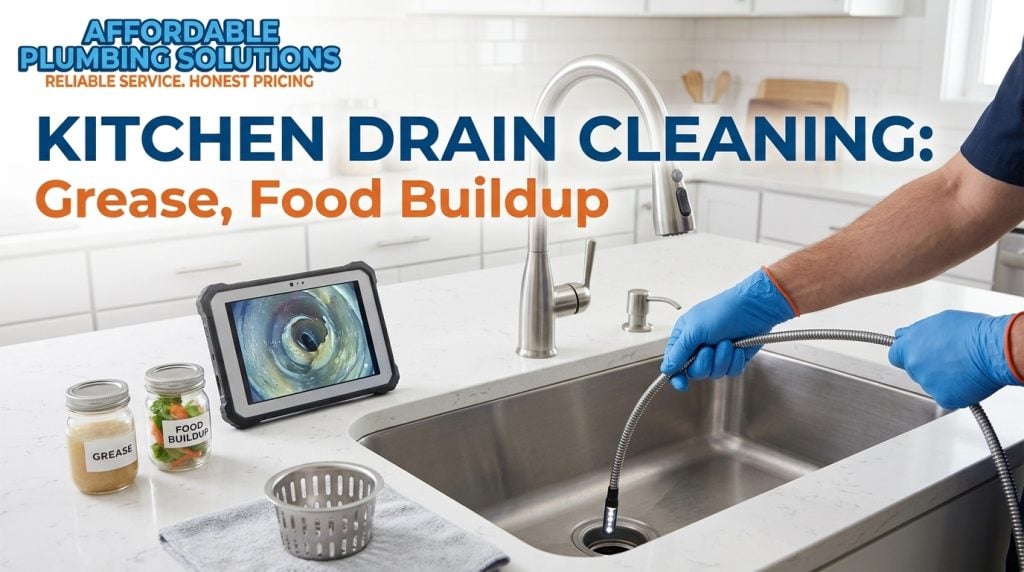
Ignoring a kitchen sink grease clog can lead to foul odors, slow drainage, wastewater backup, and even costly plumbing repairs. Understanding how grease buildup develops and knowing the safest ways to remove it can help protect your plumbing system from long-term damage. Whether you're dealing with a slow-draining sink or trying to prevent future problems, proper kitchen drain cleaning plays a crucial role in maintaining a healthy drainage system.
What Causes a Kitchen Drain to Clog with Grease and Food Buildup?
A drain clogged with grease develops gradually as fats, oils, and food residue accumulate inside drain pipes. Unlike water, grease does not flow freely through the plumbing system. As it cools, it hardens and attaches to pipe walls, creating a sticky surface that captures additional debris. Over time, this buildup narrows the pipe opening and restricts wastewater flow.
Cooking Oils and Fats Create the Foundation of Grease Clogs
One of the most common causes of a grease drain blockage is improper cooking oil disposal. Many homeowners pour cooking oils and fats down the kitchen sink without realizing the long-term consequences. Although grease appears harmless while hot, it begins solidifying once it cools inside the plumbing system.
Common sources of grease buildup include:
- Bacon grease
- Meat drippings
- Butter and shortening
- Frying oils
- Fatty cooking residue
Even small amounts can contribute to significant fat accumulation in pipes when disposed of repeatedly.
Food Particles Stick to Grease-Coated Pipe Walls
Grease alone can create drainage problems, but the issue becomes far worse when food particles become trapped in the sticky residue. Small pieces of rice, pasta, vegetables, coffee grounds, and other debris cling to grease-coated pipe walls instead of washing away.
As more debris collects, the blockage becomes denser and harder to remove. This combination of grease buildup in pipes and trapped food waste is one of the primary reasons homeowners experience recurring drain problems.
Soap Scum Buildup Accelerates Blockages
Many people overlook the role soap plays in drain clogs. Soap residue combines with fats, oils, and grease (FOG) to form a wax-like substance inside drain pipes. This material hardens over time and further restricts water flow.
As soap scum buildup thickens, it creates additional surfaces where grease and debris can collect, increasing the likelihood of a complete pipe blockage.
Older Plumbing Systems Face Greater Risk
Older plumbing systems are often more susceptible to grease-related issues. Pipe corrosion, rough interior surfaces, and years of accumulated residue provide ideal conditions for grease to attach and spread.
In aging residential plumbing systems, even moderate grease disposal habits can lead to significant drainage issues that eventually require professional drain cleaning.
Warning Signs Your Kitchen Drain Is Clogged with Grease
Grease buildup rarely causes an immediate blockage. Instead, it develops gradually as cooking oils, fats, food particles, and soap residue accumulate inside the kitchen sink drain. As the layer of grease thickens, it restricts water flow and places additional strain on the plumbing system. Recognizing the early warning signs can help prevent a minor drainage issue from turning into a complete drain blockage or costly plumbing repair.
Common signs of a grease-clogged drain include:
- Slow-draining sink: Water takes longer than usual to flow through the drain because grease buildup narrows the interior of the drain pipes.
- Backed-up kitchen sink: Water may begin pooling in the sink basin during normal use, indicating that the grease drain blockage is restricting wastewater flow.
- Foul drain odors: Trapped food particles and grease deposits can decompose inside the pipes, creating unpleasant smells that spread throughout the kitchen.
- Gurgling drain sounds: Air becomes trapped behind the blockage and produces bubbling or gurgling noises as water attempts to pass through the restricted pipe.
- Recurring minor clogs: Frequent drainage issues that temporarily improve often signal a growing grease buildup in pipes that continues to collect debris.
- Water backing up after dishwasher use: If water rises in the sink while the dishwasher drains, grease accumulation may be limiting the capacity of the kitchen drain.
Ignoring these symptoms can eventually lead to complete drain blockage, wastewater backup, water damage, and expensive emergency drain service calls. Addressing grease-related drainage problems early is one of the most effective ways to protect your plumbing system and avoid major repair costs.
A Dose of Boiling Water: The Simplest First Step
When a kitchen sink begins draining slowly due to light grease buildup, boiling water is often the easiest place to start. Fresh grease deposits have not yet fully hardened, so hot water may help soften the residue coating the pipe walls and improve water flow.
While this method is not a permanent solution for severe grease-clogged drains, it can be effective for minor blockages caused by cooking oils, fats, and food residue that have recently entered the plumbing system.
Boiling Water Affects Grease Buildup
Grease often sticks to pipe walls after cooking oils and fats cool inside the plumbing system. Boiling water helps loosen some of this residue by raising its temperature. As the grease softens, small amounts may break apart and move through the drain. This can temporarily improve water flow and reduce minor restrictions.
Proper Way to Apply Boiling Water
For the best results, boil a full kettle or pot of water before pouring it into the drain. Add the water slowly in stages rather than all at once. This allows the heat to work on the grease buildup more effectively. After each pour, wait a few seconds before adding more water.
Situations Where This Method Works Best
Boiling water is most effective when the drain is still partially open and water can pass through. It works well for light grease drain blockages caused by recent cooking oil disposal or food residue. Homeowners often use this method when they first notice a slow-draining sink. Acting early can help prevent a larger blockage from developing.
Vinegar and Baking Soda: Natural Kitchen Drain Cleaner
Vinegar and baking soda offer a simple, chemical-free way to address minor kitchen drain issues. When these ingredients react, they create a fizzing action that can help loosen small amounts of grease, food residue, and organic buildup inside the drain. Many homeowners use this method as a safe first step before considering more advanced drain cleaning solutions.
While this natural cleaner can improve light drainage problems, it is not powerful enough to remove heavy grease buildup in pipes. Hardened fats, oils, and food particles often require specialized equipment to fully clear the blockage. If slow drainage, foul odors, or recurring clogs continue, professional drain cleaning may be necessary to restore proper flow and prevent further plumbing issues.
A Little Bit of Dish Soap Can Clear Light Grease Buildup
Dish soap is designed to break down oils and grease, which makes it a useful option for addressing minor kitchen drain problems. When combined with hot water, it can help loosen fresh grease deposits before they harden inside the drain pipes.
This simple method is often most effective when a kitchen sink drain is beginning to slow but has not yet developed a significant blockage. While this method can improve light grease buildup, it should be viewed as a temporary solution rather than a complete fix for recurring drainage issues.
Best Situations for Using Dish Soap
Dish soap works best when the blockage is caused by recent cooking oils and fats that have not fully solidified. It may also help reduce residue left behind after washing greasy cookware or food preparation items. Homeowners often use this method as part of routine kitchen drain cleaning to minimize grease accumulation.
When Dish Soap Is Not Enough
Heavy grease drain blockages usually contain hardened grease, food particles, and soap scum buildup that cannot be removed with dish soap alone. If drainage remains slow or symptoms quickly return, the problem may require professional drain cleaning. Persistent clogs often indicate deeper issues within the plumbing system that need specialized equipment to resolve.
Risks of Ignoring a Grease-Clogged Kitchen Drain
A grease-clogged kitchen drain is more than just a minor inconvenience. As grease, cooking oils, food particles, and soap residue continue accumulating inside the drain pipes, water flow becomes increasingly restricted.
What begins as a slow-draining sink can eventually develop into a serious plumbing problem that affects the entire drainage system. Delaying action often allows the blockage to grow larger, making repairs more complex and expensive.
Some of the most common risks associated with untreated grease buildup include:
- Complete drain blockage: Grease can harden inside the pipes and eventually stop water from flowing altogether.
- Backed-up kitchen sink: Water may begin collecting in the sink basin, making normal kitchen tasks difficult.
- Foul drain odors: Trapped food waste and grease deposits can create unpleasant smells that spread throughout the kitchen.
- Gurgling drain sounds: Restricted airflow caused by a blockage often produces bubbling or gurgling noises when water drains.
- Sewer line blockage: Severe grease buildup can extend beyond the kitchen drain and affect larger sections of the plumbing system.
- Wastewater backup: Blocked drains can force contaminated water back into sinks and other fixtures.
- Water damage risks: Overflowing sinks and hidden leaks can damage cabinets, flooring, and nearby structures.
- Pipe corrosion: Long-term buildup may accelerate wear and deterioration inside older drain pipes.
Early warning signs of a grease drain blockage rarely make the problem disappear. In most cases, the buildup continues growing until professional intervention becomes necessary. Addressing drainage issues promptly helps protect the plumbing system, reduces repair expenses, and prevents more serious problems such as wastewater backups and sewer line damage.
DIY Fixes vs. Professional Kitchen Drain Cleaning
When a kitchen sink begins draining slowly, many homeowners try DIY solutions before calling a plumber. Simple methods such as boiling water, dish soap, baking soda, vinegar, or a basic drain snake can sometimes improve minor grease-related drainage problems.
These approaches are often affordable and convenient, making them a popular first step when dealing with a kitchen sink grease clog.
Factor
DIY Drain Cleaning
Professional Drain Cleaning
Cost
Lower upfront cost
Higher initial investment but long-term value
Effectiveness
Suitable for minor grease buildup
Effective for both minor and severe blockages
Equipment Used
Household tools and cleaners
Drain augers, hydro jetting, camera inspections
Grease Removal
Often removes only part of the blockage
Removes grease buildup from pipe walls
Time Required
May require multiple attempts
Usually completed in one service visit
Long-Term Results
Temporary improvement in many cases
More reliable and lasting solution
Risk of Pipe Damage
Improper use may damage plumbing
Performed safely by trained professionals
Sewer Line Issues
Cannot diagnose deeper problems
Can identify sewer line blockage and pipe damage
Recurring Clogs
Often return if the buildup remains
Significantly reduces future clog risks
Best For
Light grease drain blockage
Severe grease-clogged drains and recurring problems
How Professionals Clear a Drain Clogged with Grease
When grease buildup becomes too severe for household remedies, professional plumbers use specialized equipment to restore proper drainage. Their process focuses on locating the blockage, removing accumulated grease, and improving overall plumbing system performance. This approach delivers more thorough results than most DIY methods.
Drain Camera Inspection
A drain camera inspection is often the first step in diagnosing a grease-related blockage. A small waterproof camera travels through the drain pipes and provides a clear view of grease buildup, food debris, and potential pipe damage. This allows plumbers to identify the exact location and severity of the problem before beginning repairs.
Drain Auger and Drain Snake Solutions
For moderate grease clogs, plumbers may use a professional drain auger or drain snake to break apart accumulated debris. These tools can reach deeper sections of the plumbing system than standard household equipment. They are particularly effective when grease buildup is concentrated in a specific section of pipe.
Hydro Jetting Service
Hydro-jetting is one of the most effective methods for grease drain blockage removal. This process uses high-pressure water cleaning to remove grease, soap residue, food particles, and other debris from pipe walls. Unlike traditional snaking methods, hydro-jetting cleans the full diameter of the pipe rather than creating a small opening through the clog.
How to Prevent Grease Clogs in Your Kitchen Drain
Preventing grease buildup is far easier than dealing with a complete drain blockage. Small changes in kitchen habits can significantly reduce the amount of grease entering the plumbing system and help maintain healthy drainage. Consistent preventive measures also reduce the need for emergency drain service and expensive plumbing repairs.
Whether you own a home or operate a commercial kitchen, following a few simple practices can help keep your plumbing system functioning properly.
Effective Ways to Prevent Grease Drain Blockages
- Dispose of cooking oils properly: Never pour cooking oils and fats directly into the kitchen sink drain. Allow grease to cool and discard it in a sealed container.
- Avoid pouring bacon grease into drains: Bacon grease hardens quickly and is one of the most common causes of grease buildup in pipes.
- Discard meat drippings in the trash: Meat drippings can solidify inside drain pipes and contribute to stubborn blockages.
- Use drain strainers: Drain strainers help capture food particles before they enter the plumbing system and combine with grease.
- Flush drains with hot water regularly: Running hot water after washing dishes may help reduce minor grease residue.
- Clean greasy cookware before washing: Wipe excess grease from pots, pans, and plates with paper towels before placing them in the sink.
- Perform routine drain pipe maintenance: Regular cleaning helps prevent small accumulations from developing into major clogs.
- Schedule professional drain cleaning when necessary: Periodic service can remove developing grease buildup before drainage problems occur.
Conclusion
Kitchen drain cleaning is essential for preventing grease buildup, food-related blockages, and costly plumbing repairs. Cooking oils, fats, food particles, and soap residue can gradually collect inside drain pipes, restricting water flow and creating stubborn clogs. Addressing drainage problems early helps maintain a healthier plumbing system and reduces the risk of severe blockages.
While simple methods such as hot water, dish soap, and baking soda may help with minor grease buildup, recurring problems often require professional drain cleaning services. Regular drain maintenance, proper cooking oil disposal, and preventive plumbing maintenance can significantly reduce the likelihood of grease-clogged drains and keep your kitchen sink operating efficiently.
Frequently Asked Questions
What dissolves grease in a kitchen drain?
Hot water combined with dish soap can help break down small amounts of grease buildup. For severe grease deposits, professional methods such as hydro jetting are typically more effective than household remedies.
What to do if your drain is clogged with grease?
Start with hot water and dish soap or a baking soda and vinegar treatment if the blockage is minor. If the drain remains slow, produces odors, or repeatedly backs up, professional drain cleaning may be necessary.
What is the best drain cleaner for grease and food?
Enzyme-based drain cleaners are generally safer for plumbing systems than harsh chemical products. However, heavy grease buildup and food blockages often require professional drain blockage removal for complete results.
Can I use baking soda and vinegar to unblock a greasy kitchen drain?
Yes, baking soda and vinegar can help loosen light grease buildup and reduce odors inside the drain. However, this method is usually ineffective against severe grease clogs or hardened fat accumulation in pipes.
When should I call a plumber for a grease clog?
You should contact a plumber if the sink continues draining slowly after multiple cleaning attempts, if foul odors persist, or if you experience recurring backups. Professional assistance is also recommended when a complete blockage or sewer line issue is suspected.
How do professionals remove grease from kitchen drain pipes?
Professional plumbers typically use drain camera inspections, drain augers, and hydro jetting services to remove grease buildup. These methods clear accumulated grease from pipe walls and restore proper water flow throughout the plumbing system.
REQUEST A SERVICE

Testimonials
Our Customer Feedback









Our customer feedback
Make Us Your First-Choice Plumbing Company
Are you tired of dealing with unreliable plumbers? Do you need a local plumbing company you can trust for all your plumbing needs? Your search ends with us. We are the plumbers to trust if you need prompt, affordable and reliable plumbing service in Carmichael. When you invite us into your home, you’re not just getting a temporary fix; you’re ensuring a lasting solution from a team that treats your plumbing needs with the utmost seriousness. Our prompt response to emergencies and our fervent dedication to solving your plumbing woes set us apart.
Get in touch
Thank you! Your submission has been received!
Oops! Something went wrong while submitting the form.
Where we serve
Our Service Areas
We proudly provide professional plumbing services across surrounding communities, delivering reliable repairs, installations, and maintenance wherever dependable plumbing support is needed.
- Sacramento
- Roseville
- Carmichael
- El Dorado Hills
- Orangevale
- Rocklin
- Granite Bay
- Citrus Heights
- Antelope
- Arden-Arcade
- Fair Oaks
- Folsom
- Lincoln
- Loomis
- Rancho Cordova
- Rio Linda
- North Highlands
- Elk Grove