
Affordable Plumbing was great to deal with! Had a problem with a very niche gas line in my home. Derek came right out to look at it and determined it would take a specialty fireplace company to replace. Really appreciated his honesty, integrity and communication. I’ll absolutely use them for my next plumbing needs.

Water Quality After Pipe Replacement: What Changes to Expect
Replacing old plumbing is an important investment that improves the safety, efficiency, and reliability of your home's water system. However, many homeowners become concerned when they notice cloudy water, unusual colors, strange tastes, or temporary pressure changes immediately after the work is complete. While these issues may seem alarming, they are often a normal part of the transition from old pipes to a newly installed plumbing system. Understanding what causes these temporary changes can help you avoid unnecessary worry and know what to expect.
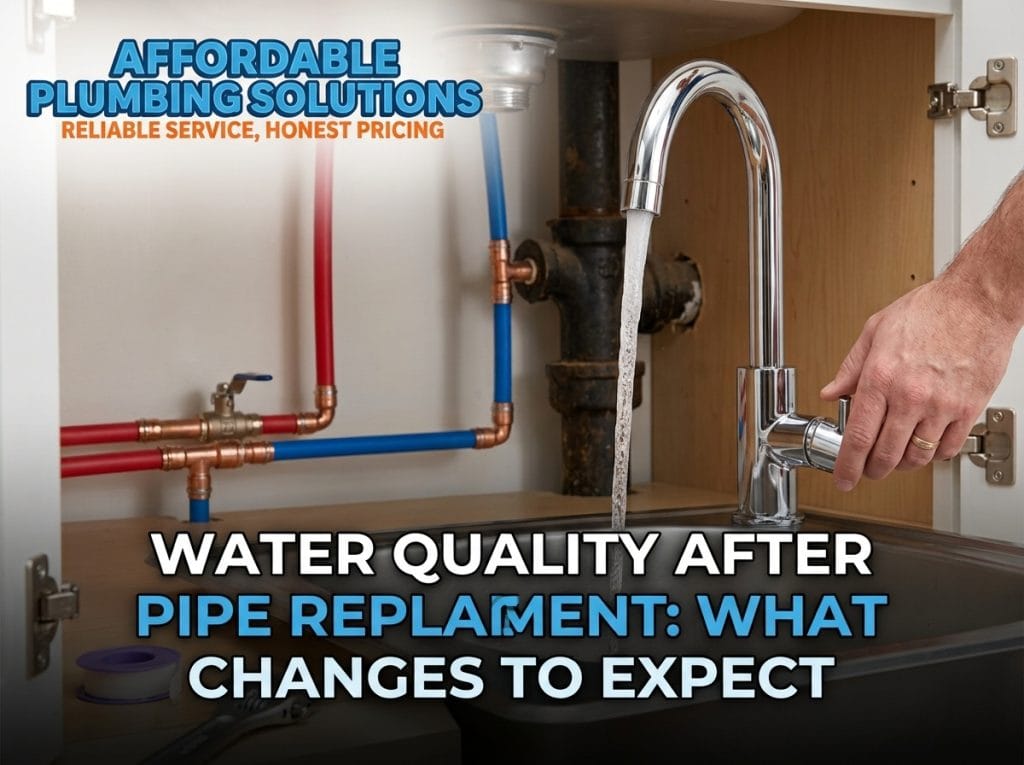
Water quality after pipe replacement typically improves as the plumbing system is thoroughly flushed and all trapped air and loose particles are removed. During installation, plumbers disconnect water lines, replace aging pipes, and reconnect the system, which may introduce harmless air bubbles or disturb existing sediment. Most water quality changes disappear within a few hours or days, leaving homeowners with cleaner, more reliable water. Knowing which changes are temporary and which require professional attention allows you to monitor your plumbing with confidence.
Why Water Quality Changes After Pipe Replacement
Water quality often changes temporarily after pipe replacement because the plumbing system has been opened, drained, and reconnected during installation. As water begins flowing through the new pipes, trapped air, loose sediment, and minor installation residue are flushed out before the system returns to normal. These changes are usually short-lived and improve after the plumbing has been properly flushed.
- Trapped air enters the pipes during installation, which can make the water appear cloudy or cause faucets to sputter.
- Sediment is disturbed when old pipes are removed, allowing rust, minerals, or debris to temporarily enter the water flow.
- New plumbing materials are flushed to remove harmless manufacturing residue left inside the pipes.
- Water pressure changes while the system is being tested and re-pressurized after installation.
- Old plumbing fixtures such as faucet aerators may collect debris released during the repiping process.
- Water flow stabilizes gradually as every section of the plumbing system is thoroughly flushed.
Most of these water quality changes are expected after a professional pipe replacement project and usually disappear within a few hours or days. If the water remains discolored, develops a strong odor, or shows no improvement after repeated flushing, it is a good idea to contact your plumber for an inspection.
Is It Normal for Water to Look Different After Pipe Replacement?
Yes, it is completely normal for water to look different for a short time after pipe replacement. During the installation process, air can become trapped inside the plumbing system, and small amounts of sediment or harmless residue may be flushed through the new pipes.
These temporary changes usually improve within a few hours to a few days as the system is fully flushed. However, if the water continues to look unusual or develops a strong odor after several days, you should contact your plumber for further inspection.
Water Change
Likely Cause
Is It Usually Normal?
Typical Solution
Cloudy or milky water
Trapped air bubbles
Yes
Run cold water until it clears
Brown or rusty water
Disturbed rust or sediment
Usually
Flush the plumbing system thoroughly
Air sputtering from faucets
Air trapped in new pipes
Yes
Run water from all fixtures
Slight metallic taste
New plumbing materials settling
Temporary
Continue flushing and regular water use
Low water pressure
Sediment in aerators or trapped air
Usually
Clean aerators and flush the system
Strong odor or persistent discoloration
Possible plumbing or water supply issue
Not always
Contact your plumber for inspection
Common Water Quality Issues After Pipe Replacement
Several temporary water quality issues can appear after new pipes are installed, but most are harmless and resolve on their own. Knowing the cause of each issue helps homeowners determine whether the plumbing system is adjusting normally or if a professional inspection may be needed.
Cloudy or Milky White Water
Cloudy or milky white water is one of the most common observations after pipe replacement. This cloudy appearance is usually caused by tiny air bubbles trapped inside the new plumbing system when the water supply is restored. As water flows through the pipes, the bubbles become suspended in the water, creating a white or cloudy look that often disappears within a few minutes.
To check whether air bubbles are causing the problem, fill a clear glass with water and let it sit undisturbed. If the cloudiness clears from the bottom upward, the water simply contains trapped air rather than contaminants. Running cold water for several minutes from different faucets helps remove the remaining air and restores the water's normal clarity.
Brown or Rusty Water
Brown, yellow, or rusty-looking water may appear shortly after repiping because old rust and mineral deposits become disturbed during the replacement process. Even though new pipes do not contain rust, sediment from older plumbing sections, water heaters, or nearby municipal water lines can temporarily mix with the water supply after installation.
In most cases, the discoloration disappears after flushing the plumbing system for a short period. Homeowners should run cold water until it becomes clear and avoid washing clothes or filling appliances while the water is still discolored. If rusty water continues for several days or worsens instead of improving, a plumber should inspect the system to identify the source.
Low Water Pressure After Repiping
Some homeowners notice lower water pressure immediately after pipe replacement, even though the new plumbing is designed to improve water flow. Temporary pressure changes often occur because trapped air is still moving through the system or because small particles of sediment have collected inside faucet aerators during installation.
Cleaning faucet aerators and allowing water to run through every fixture usually restores normal pressure. Plumbers also verify that shut-off valves are fully open before completing the project, but if pressure remains low throughout the home after several days, the system should be inspected to rule out hidden leaks, valve issues, or other plumbing problems.
Metallic or Unusual Taste/Smell
A slight metallic taste or unusual smell can sometimes develop after new pipes have been installed. Fresh plumbing materials may contain harmless manufacturing residue, while plumbing sealants or installation compounds can temporarily affect the taste or odor of the water until the system has been thoroughly flushed.
These changes generally disappear after several days of regular water use as clean water circulates through the new pipes. However, if the water develops a strong chemical odor, unpleasant taste, or persistent smell that does not improve, homeowners should contact their plumbing contractor to inspect the plumbing system and, if necessary, perform water quality testing.
Air Sputtering From Faucets
Air sputtering from faucets is a normal part of restoring water service after pipe replacement. Because the plumbing system is emptied during installation, pockets of air remain inside the new pipes until water pressure gradually pushes them out through sinks, showers, bathtubs, and outdoor faucets.
Running both hot and cold water at every plumbing fixture helps remove trapped air more quickly and allows the system to return to normal operation. If sputtering continues for an extended period after repeated flushing or occurs together with ongoing pressure problems, a professional plumber should inspect the plumbing system to ensure there are no leaks or pressure-related issues.
Is Discolored or Cloudy Water Safe to Drink?
In many cases, slightly cloudy or temporarily discolored water after pipe replacement is safe because it is usually caused by trapped air, harmless sediment, or loose mineral deposits that entered the plumbing system during installation. These temporary changes are common after repiping and typically disappear once the pipes have been thoroughly flushed. However, homeowners should avoid assuming all changes are harmless without observing how quickly the water improves.
If the water remains brown, develops a strong odor, contains visible debris, or continues looking cloudy after several days of flushing, it is best not to drink it until the cause has been identified. Contact your plumbing contractor or local water provider if the problem persists. When in doubt, a professional water quality test can confirm whether the water meets safe drinking standards.
How to Flush Your Pipes After Replacement
Flushing the plumbing system is one of the most important steps after pipe replacement because it removes trapped air, installation debris, loose sediment, and any temporary residue left inside the new pipes. A complete flush helps restore normal water clarity, improves water pressure, and reduces unusual tastes or odors. Following the correct flushing process also allows the plumbing system to perform as intended from the beginning.
Step 1 – Turn Off Water Heater (If Applicable)
Before flushing large amounts of water through your plumbing system, turn off the water heater if recommended by your plumber. This helps protect the unit from operating while the tank is partially empty or while air is moving through the system.
Once flushing is complete and the water lines are fully pressurized, restore the water heater according to the manufacturer's instructions. Waiting until the system is full of water helps prevent unnecessary wear on the equipment.
Step 2 – Open Outdoor/Cold Water Taps First
Begin by opening the outdoor hose bibs or the lowest cold-water faucets in the home. Starting with these fixtures helps push sediment, trapped air, and installation debris out of the plumbing system before it reaches indoor fixtures. Allow the water to flow steadily while checking for improvements in clarity. Once the water appears clear and flows smoothly, move to the remaining faucets throughout the house.
Step 3 – Run Water for 10–15 Minutes
Keep cold water running for approximately 10 to 15 minutes at each main fixture or follow the flushing instructions provided by your plumbing contractor. This process helps remove fine particles, manufacturing residue, and trapped air from the newly installed pipes.
If the water becomes clear sooner, continue flushing for a few additional minutes to ensure the entire plumbing system has been cleaned. Larger homes or extensive repiping projects may require a longer flushing period.
Step 4 – Check Each Fixture Individually
After flushing the main water lines, inspect every sink, shower, bathtub, toilet, and outdoor faucet individually. Turn each fixture on for several minutes to make sure water flows smoothly without sputtering, discoloration, or unusual pressure changes.
Testing each fixture also helps identify isolated issues such as clogged aerators or localized debris that may not affect the rest of the home's plumbing system. Any persistent problems should be reported to the installer.
Step 5 – Clean Faucet Aerators and Screens
Small pieces of sediment and mineral deposits often collect inside faucet aerators and fixture screens after pipe replacement. These components can become partially blocked, leading to reduced water pressure or uneven water flow.
Remove the aerators, rinse away any debris, and reinstall them once they are clean. Regular cleaning after repiping helps restore normal water flow and improves the overall performance of sinks and faucets throughout the home.
How to Test Water Quality After Repiping
Testing your water after a repiping project provides additional peace of mind, especially if changes in taste, color, or odor continue longer than expected. While most temporary issues resolve naturally, a water quality test can verify that the plumbing system is delivering clean and safe water. Homeowners may use a certified home testing kit or request laboratory testing for a more detailed analysis of bacteria, metals, minerals, pH levels, and other water quality indicators.
If your home has a private well, older plumbing connections, or concerns about local water conditions, professional testing is highly recommended after major plumbing work. Comparing results with local drinking water standards can help determine whether further flushing, filter replacement, or plumbing adjustments are necessary.
Tips to Maintain Good Water Quality Long-Term
Maintaining good water quality after pipe replacement requires regular plumbing care and a few simple maintenance habits. While new pipes provide cleaner and more reliable water flow, neglecting routine maintenance can allow sediment, mineral deposits, and other contaminants to affect your plumbing system over time. Following these best practices helps keep your drinking water clean, protects your pipes, and extends the life of your entire plumbing system.
- Flush unused faucets regularly to prevent stagnant water from sitting in the pipes for long periods.
- Clean faucet aerators and showerheads every few months to remove mineral buildup and trapped debris.
- Replace water filters on schedule if your home uses a filtration or water purification system.
- Schedule routine plumbing inspections to identify small issues before they become major problems.
- Repair leaks promptly to prevent contaminants from entering the plumbing system and to reduce water waste.
- Monitor changes in water color, taste, or odor and investigate any unusual conditions that persist.
- Avoid pouring grease, chemicals, or harsh substances into household drains, as they can negatively affect your plumbing.
- Test your water quality periodically, especially if your home has a private well or older plumbing connections.
Conclusion
Temporary changes in water quality after pipe replacement are a normal part of the repiping process. Cloudy water, slight discoloration, air sputtering, or minor changes in taste usually occur because trapped air, sediment, and installation residue are being flushed from the new plumbing system. These issues typically improve within a few hours to several days as clean water circulates through the pipes.
Homeowners can speed up the recovery process by properly flushing the plumbing system, cleaning faucet aerators, and monitoring the water for any ongoing changes. While most post-repiping water quality issues resolve on their own, persistent discoloration, unusual odors, or long-lasting pressure problems should always be inspected by a licensed plumber. With proper installation and routine maintenance, your new plumbing system will provide cleaner, safer, and more reliable water for years to come.
Frequently Asked Questions
Is brown water after pipe replacement dangerous?
Brown water is usually caused by disturbed rust or sediment after repiping and is often temporary. Avoid drinking or using it for cooking until the water runs clear, and contact your plumber if the discoloration continues for several days.
How long does cloudy water last after repiping?
Cloudy water caused by trapped air typically clears within a few minutes to a few hours. In some homes, it may take up to a day or two for all air and fine particles to be completely flushed from the plumbing system.
Why does my water taste metallic after new pipes?
A temporary metallic taste can occur as new plumbing materials are flushed and begin carrying water. This taste normally disappears after several days of regular water use and thorough flushing.
Can I shower with discolored water?
If the discoloration is caused by temporary sediment or rust after pipe replacement, showering is generally safe. However, if the water has a strong odor, contains excessive debris, or the cause is unknown, wait until the issue has been inspected.
Does pipe material (copper, PEX, PVC) affect water quality?
Yes. Different pipe materials can slightly influence water quality, especially during the first few days after installation. Copper pipes may temporarily produce a mild metallic taste, while PEX and PVC pipes generally have minimal impact on water quality once the plumbing system has been properly flushed and installed according to local plumbing codes.
REQUEST A SERVICE

Testimonials
Our Customer Feedback









Our customer feedback
Make Us Your First-Choice Plumbing Company
Are you tired of dealing with unreliable plumbers? Do you need a local plumbing company you can trust for all your plumbing needs? Your search ends with us. We are the plumbers to trust if you need prompt, affordable and reliable plumbing service in Carmichael. When you invite us into your home, you’re not just getting a temporary fix; you’re ensuring a lasting solution from a team that treats your plumbing needs with the utmost seriousness. Our prompt response to emergencies and our fervent dedication to solving your plumbing woes set us apart.
Get in touch
Thank you! Your submission has been received!
Oops! Something went wrong while submitting the form.
Where we serve
Our Service Areas
We proudly provide professional plumbing services across surrounding communities, delivering reliable repairs, installations, and maintenance wherever dependable plumbing support is needed.
- Sacramento
- Roseville
- Carmichael
- El Dorado Hills
- Orangevale
- Rocklin
- Granite Bay
- Citrus Heights
- Antelope
- Arden-Arcade
- Fair Oaks
- Folsom
- Lincoln
- Loomis
- Rancho Cordova
- Rio Linda
- North Highlands
- Elk Grove