
Affordable Plumbing was great to deal with! Had a problem with a very niche gas line in my home. Derek came right out to look at it and determined it would take a specialty fireplace company to replace. Really appreciated his honesty, integrity and communication. I’ll absolutely use them for my next plumbing needs.
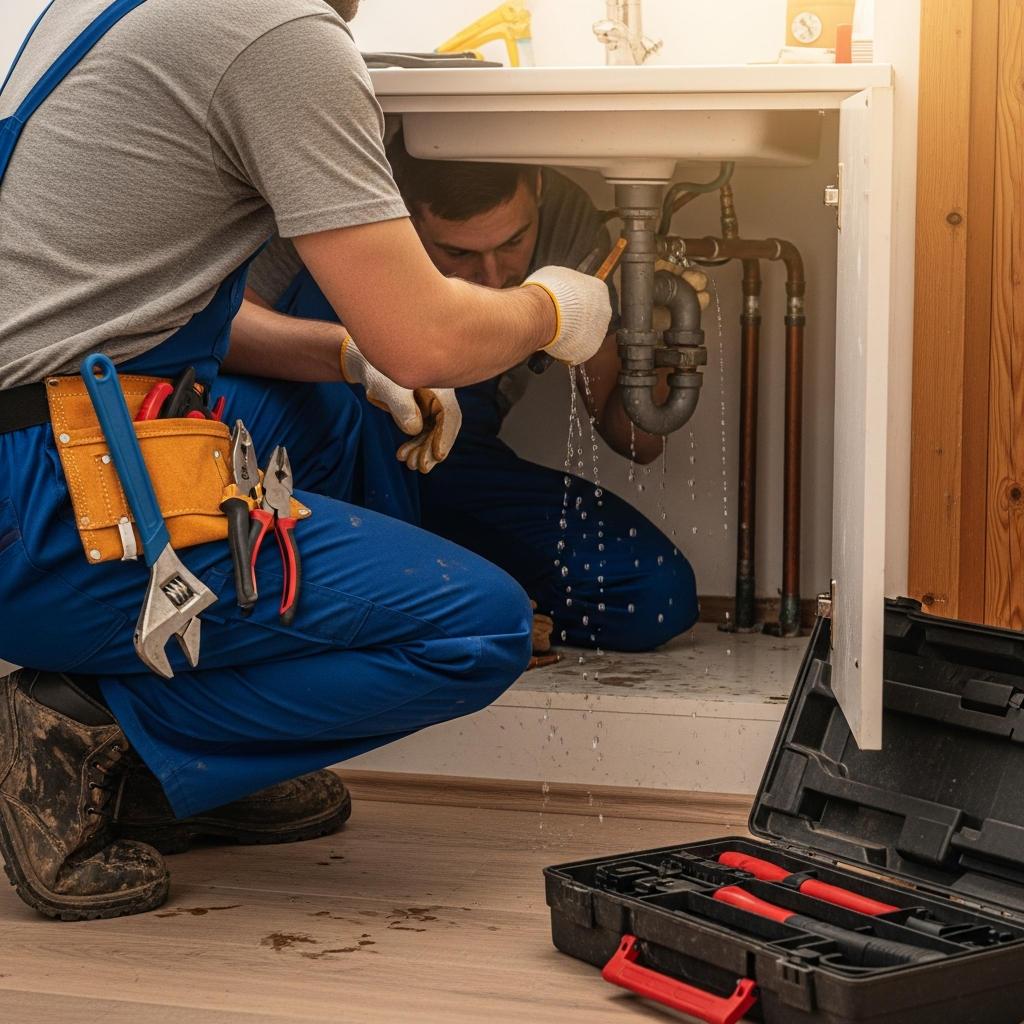
What to Do If You Smell Gas Near Plumbing Lines
Finding a weird, nasty smell coming from near your sinks, toilets, or laundry room can make your heart race instantly. Since utility lines and drain pipes often run side by side behind your walls, a gas leak can easily fool you into thinking it's just a plumbing problem — or the gas can actually travel through empty drain pipes. Knowing how to stay calm and react correctly when you smell gas near your plumbing is absolutely critical for keeping your home and family safe.
Ignoring a strange, lingering smell around your fixtures can quickly turn into a serious health risk or even a deadly fire. This guide will help you figure out exactly what kind of gas you're dealing with, walk you through the right steps to stay safe, and show you how to cut off the source before things get out of hand. Once you understand these basic emergency steps, you'll be able to handle the situation confidently and stop the danger before it gets much worse.

Is It Natural Gas or Sewer Gas? How to Tell the Difference
Before you do anything else, you need to know exactly what you're dealing with. Natural gas leaks and sewer gas problems need completely different responses, but both situations need your full attention right away.
Identifying the Odor Profile
The easiest way to tell these two gases apart is simply by smelling them carefully. Natural gas has no smell or color on its own, but gas companies add a harmless chemical called mercaptan to give it a very strong, easy-to-recognize scent that smells a lot like rotten eggs or sharp sulfur. Sewer gas, on the other hand, smells heavy and stale — more like raw sewage, a dirty bathroom drain, or rotting garbage.
Checking for Secondary Audio and Visual Clues
Leaking gases almost always leave physical signs beyond just a bad smell if you take a moment to look and listen. A high-pressure natural gas leak coming from a cracked pipe or appliance valve will often make a steady hissing or whistling sound. If it's a sewer gas issue, you're more likely to hear gurgling or bubbling sounds from your sinks or toilets when water drains somewhere else in the house.
Comparing Gas Behaviors and Household Risks
Understanding how these gases behave inside a closed space helps you judge how dangerous the situation really is. Natural gas catches fire easily, it's lighter than air, and it rises fast — which means it can build up in large amounts near your ceilings, attic, or high crawlspaces.
Sewer gas is a mix of methane, hydrogen sulfide, and other toxic waste byproducts, and it usually only escapes when a plumbing P-trap dries out completely or a vent pipe gets blocked.
Feature
Natural Gas Leak
Sewer Gas Leak
Primary Odor
Strong rotten eggs or sharp sulfur smell
Raw sewage, musty bathroom, or garbage scent
Audio Clues
Hissing or whistling near a pipe connection
Gurgling sounds from your drains
Physical Signs
Dead houseplants, blowing dirt, or bubbles in standing water
Slow-draining water or backed-up pipes
Immediate Danger
Extremely High: Highly explosive and flammable
Moderate: Toxic in large amounts, but rarely explosive
Immediate Steps to Take When You Smell Gas Near Plumbing Lines
If what you're seeing and smelling points to an active natural gas leak, keeping people safe has to come before everything else. Don't stop to check the pipes yourself, and don't waste time trying to grab your things.
Evacuate the Premises Immediately without Delay
Get every person and pet out of the house as fast as you possibly can to avoid breathing in the dangerous fumes. As you head toward the exit, leave the front door open behind you so some of the built-up gas can escape into the outside air. Don't stop for your wallet, keys, or phone under any circumstances. Your only goal in those first few seconds is getting everyone out of the building and into a safe spot.
Move to a Safe Distance Outside the Property
Once you're outside, keep walking until you're well away from the building. Don't hang around near the walls, windows, or outdoor utility meters where leaking gas might be collecting in the air. Staying at least 100 feet away makes sure you and your family are completely clear if the gas suddenly ignites. Gather everyone in one spot so you can easily count heads and stay organized when emergency services arrive.
What Not to Do During a Gas Emergency Near Pipes
When natural gas builds up inside a room, even the tiniest spark can trigger a massive explosion. Avoid these dangerous and common mistakes while you're getting out of the building:
Avoid Using Any Electrical Switches or Devices
Never flip a light switch, unplug an appliance, or use a landline phone while you're still inside the house. Flipping a switch creates a tiny electrical arc inside the wall that can instantly ignite concentrated gas fumes. Leave all your lights, computers, and electronics exactly as they are the moment you notice the smell. Even using a wireless garage door opener or turning on a battery-powered flashlight can produce enough of an electrical charge to start a fire.
Refrain from Using Open Flames or Starting Vehicles
Don't strike a match, flick a lighter, or light a candle to try to cover up the bad smell. You also need to leave your car off rather than trying to drive away — starting an engine near a gas-filled home can cause an immediate blast because of the car's electrical system. Keep all possible ignition sources away from the property until professionals confirm the air is safe.
Do Not Search for the Pipe Leak Yourself
Never try to find the crack or break in a pipe using tools or by sniffing around utility closets. Trying to inspect or fix a pipe during a live gas leak puts you at serious risk of passing out or causing a flash fire. Let the trained professionals handle the detection while you focus on staying safe outside.
- Avoid Asphyxiation: Breathing in concentrated gas inside enclosed plumbing spaces can cause sudden dizziness, blackouts, or suffocation.
- Prevent Flash Fires: A single spark from a metal tool hitting a pipe can instantly ignite trapped gas.
- Equipped Professionals: Utility technicians use calibrated electronic gas detectors that can safely find leaks from a distance.
- Hidden Dangers: Gas can move behind drywall, making it impossible to locate without specialized thermal or acoustic equipment.
- Focus on Safety: During a leak, your only job is getting out of the building — not attempting DIY repairs.
How to Locate and Shut Off the Gas Supply
If you already know where your main outdoor gas meter is and you can reach it safely on your way out, shutting it off can stop the leak right at the source. However, never go back inside a compromised house just to turn off the gas.
Locate the Outdoor Gas Meter and Intake Valve
Walk directly to the exterior wall or back alley side of your home where the main utility lines come into the property. Look for a heavy metal assembly with pipes, regulators, and dials — that's your main residential gas meter. On the main intake pipe coming up out of the ground before the meter, you'll find a heavy, rectangular metal shut-off valve. Knowing exactly where this is ahead of time helps you act quickly during a real emergency.
Use the Correct Tools to Close the Valve
Always keep a large adjustable wrench or a non-sparking gas shut-off tool near your utility area or inside an emergency kit. Fit the wrench jaws tightly around the rectangular valve handle to get a secure grip. Apply steady, firm pressure and turn the valve a quarter-turn in either direction until it stops. Using the right tool prevents the old metal from stripping or slipping, so you can cut off the gas supply cleanly.
Verify the Handle is in the Off Position
Check the position of the valve handle carefully to make sure the gas flow has been fully stopped. When the line is open and gas is flowing into your home, the handle runs parallel to the pipe. After turning it, the handle should sit perpendicular — at a 90-degree angle — to the pipe. Once the handle crosses the pipe horizontally, the main gas supply to your home is safely and completely shut off.
Common Causes of Gas Smell Near Plumbing Lines
When you notice a gas smell near your fixtures, it's almost never random. Because your home's systems are closely connected, gas lines and plumbing pipes often cross paths, creating specific weak points where dangerous fumes can leak into your living spaces.
- Shared Utility Trenches and Cross-Bores: City crews often lay gas lines and sewer pipes in the same narrow underground pathways to save space. If a drilling crew accidentally drives a gas line through a wastewater pipe, natural gas can travel straight up your sewer system and come out through your household drains.
- Corroded Metal Piping: Older galvanized iron pipes naturally rust, break down, and crack over decades of constant moisture exposure behind your walls. This decay lets utility gas seep out and drift into nearby plumbing spaces.
- Puncture Damage to Flexible Gas Tubing: Modern flexible yellow tubing running near plumbing can easily rub against sharp copper pipe brackets. Home renovation work can also lead to a stray nail or screw accidentally piercing these hidden lines.
- Dried-Out Plumbing P-Traps: Every sink and toilet has a curved section of pipe that holds a small pool of water to block sewer fumes from entering. If a guest bathroom or basement drain sits unused for months, that water evaporates completely and lets heavy sewer gases escape into the room.
- Clogged Roof Vent Stacks: Plumbing systems use vertical vent pipes through your roof to safely release sewer air outdoors. When these get blocked by bird nests, leaves, or ice, the trapped gas builds up pressure and forces its way out through your indoor drains.
How Professionals Detect and Fix Gas Leaks Near Pipes
Fixing a gas leak inside your home's plumbing network requires specialized skill and advanced equipment. Professional plumbers and utility technicians use a careful, high-tech process to find the exact source of the leak without unnecessarily tearing up your walls.
Utilizing Advanced Electronic Sniffing Equipment
Technicians start by using highly sensitive handheld electronic gas detectors, commonly called "sniffers." These devices can pick up the presence of natural gas or methane at just a few parts per million — far below what your nose can detect. The technician slowly moves along your plumbing walls, watching the display for sudden spikes in gas concentration to narrow the leak down to a specific section of wall.
Deploying Non-Invasive Acoustic and Thermal Imaging
When a leak is buried deep under a concrete slab or inside a complex plumbing chase, professionals use acoustic listening devices to pick up the tiny vibrations caused by escaping high-pressure gas. They may also pair this with infrared thermal cameras to look for subtle temperature changes in the walls.
Since expanding gas naturally drops in temperature, a hidden pipe breach often shows up as a distinct cold spot on a thermal monitor — pinpointing the problem without having to tear down drywall.
How to Prevent Gas Leaks Around Your Plumbing System
Keeping your home truly safe means being proactive about protecting your overlapping utility lines from damage and normal wear. A few simple habits can dramatically lower the chances of a dangerous gas leak ever developing near your plumbing.
- Scheduling Annual Comprehensive Utility Inspections: Have a licensed professional inspect your gas and plumbing lines once a year. Certified experts check regulators, test pipe brackets, and make sure lines are properly connected to your home's electrical grounding system.
- Installing Smart Gas and Plumbing Shut-Off Systems: Invest in modern smart home safety technology to give your household an automatic layer of protection. Place wireless methane and sewer gas sensors near your water heater, laundry room, and main bathrooms.
- Protecting Exposed Pipes from Physical Impact: Make sure all visible gas and plumbing lines in your garage, basement, or utility closets are properly shielded from accidental bumps. Heavy boxes, vehicle movement, or loose tools can easily dent or crack metal pipe joints over time.
- Maintaining Moisture Control Around Your Plumbing Walls: Keep indoor humidity low and fix hidden water leaks right away to prevent rust from forming on nearby gas lines. Constant moisture from sweating pipes speeds up the corrosion of adjacent metal utility infrastructure.
Conclusion
Dealing with a gas smell near your plumbing requires quick thinking, immediate evacuation, and professional help to keep your property safe. While your home's layout often causes utility lines and drain paths to cross behind the walls, understanding the difference between natural gas and sewer gas prevents unnecessary panic and helps you respond the right way. Getting out of the building fast and staying at a safe distance ensures that a structural vulnerability doesn't turn into a catastrophic event.
Long-term safety depends on a proactive combination of annual professional inspections, regular maintenance, and automated monitoring technology. Dealing with pipe corrosion, keeping plumbing P-traps full, and protecting overlapping lines from physical damage builds a strong defense against future utility failures. By working with certified technicians and staying alert, homeowners can keep full control over their home's infrastructure and maintain a safe living environment for everyone inside.
Frequently Asked Questions
Can water leaks break gas lines?
Yes, serious water leaks wash away the soil supporting underground pipes, causing them to shift and crack. This movement puts stress on nearby gas joints until they eventually break open.
Why smell gas only during hot water use?
This usually means your water heater's burner is malfunctioning or its exhaust flue is cracked and venting fumes into your utility closet. Turn off the heater's power immediately from a safe location.
Why do gas smells appear after heavy rain?
Waterlogged soil blocks underground gas ventilation paths, pushing minor utility leaks sideways. The fumes then enter your basement through open plumbing pipe gaps.
Is a manual wrench safe for rusted valves?
Using a standard steel wrench on a corroded valve can create a friction spark that ignites concentrated fumes. Use non-sparking safety tools or call a utility professional instead.
Do winter temperature drops cause utility leaks?
Yes, extremely cold temperatures cause metal lines to contract quickly, putting heavy stress on threaded couplings. This thermal movement can pull weak joints completely apart.
Do carbon monoxide alarms detect natural gas?
No, standard carbon monoxide alarms only detect toxic byproducts from burning fuels. You need to install dedicated combustible gas alarms to detect raw methane leaks.
REQUEST A SERVICE

Testimonials
Our Customer Feedback









Our customer feedback
Make Us Your First-Choice Plumbing Company
Are you tired of dealing with unreliable plumbers? Do you need a local plumbing company you can trust for all your plumbing needs? Your search ends with us. We are the plumbers to trust if you need prompt, affordable and reliable plumbing service in Carmichael. When you invite us into your home, you’re not just getting a temporary fix; you’re ensuring a lasting solution from a team that treats your plumbing needs with the utmost seriousness. Our prompt response to emergencies and our fervent dedication to solving your plumbing woes set us apart.
Get in touch
Thank you! Your submission has been received!
Oops! Something went wrong while submitting the form.
Where we serve
Our Service Areas
We proudly provide professional plumbing services across surrounding communities, delivering reliable repairs, installations, and maintenance wherever dependable plumbing support is needed.
- Sacramento
- Roseville
- Carmichael
- El Dorado Hills
- Orangevale
- Rocklin
- Granite Bay
- Citrus Heights
- Antelope
- Arden-Arcade
- Fair Oaks
- Folsom
- Lincoln
- Loomis
- Rancho Cordova
- Rio Linda
- North Highlands
- Elk Grove