



A water heater is one of the hardest-working appliances in your home, supplying hot water for bathing, washing dishes, doing laundry, and many other daily tasks. Since it operates quietly in the background, most homeowners rarely think about it until problems begin to appear. Understanding the average water heater lifespan can help you prepare for future replacement, avoid unexpected breakdowns, and keep your home’s hot water system running efficiently.
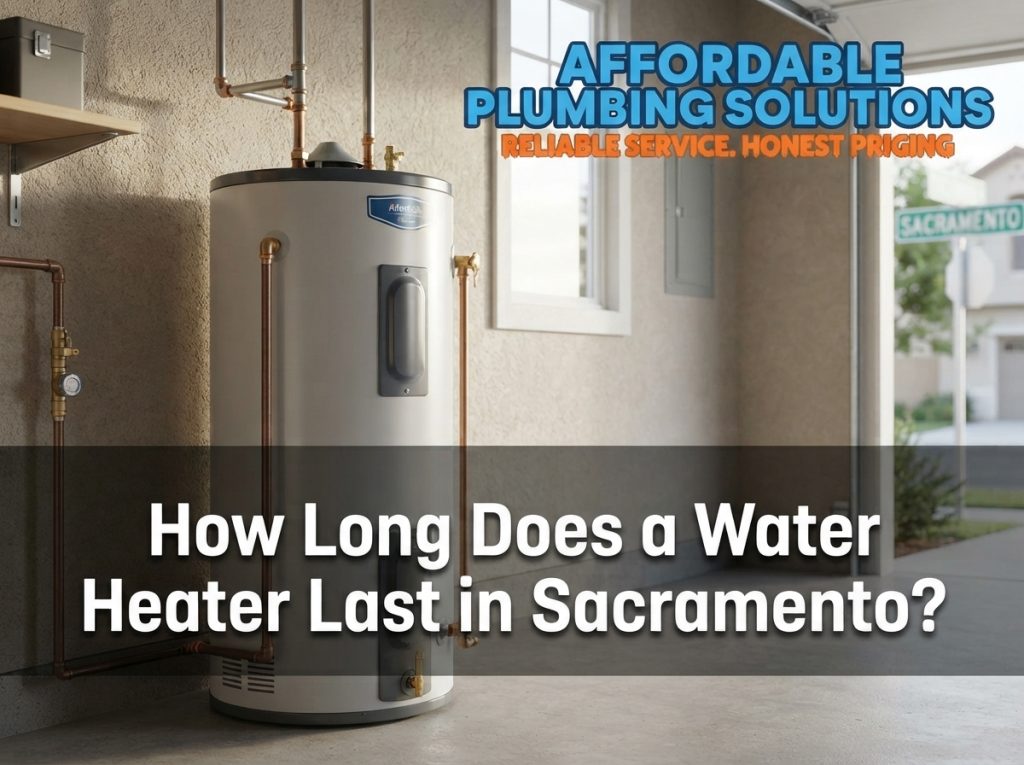
The lifespan of a water heater depends on several important factors, including the type of water heater, installation quality, water conditions, and regular maintenance. Whether you have a traditional tank water heater, a tankless water heater, a gas water heater, an electric water heater, a heat pump water heater, or a solar water heater, proper care can significantly extend its service life. This guide explains how long different water heaters typically last, what affects their lifespan, and how to maximize their performance for years to come.
Understanding water heater lifespan helps homeowners make informed decisions about maintenance, repairs, and replacement. The life expectancy of a water heater depends on several factors, including the type of unit, water quality, installation quality, maintenance habits, and daily hot water demand. Knowing what affects your system can help improve water heater efficiency, reduce repair costs, and extend its overall service life.
The average water heater lifespan is different for every home because no two systems operate under the same conditions. A tank water heater that receives regular maintenance and operates with good water quality can last several years longer than one exposed to hard water, neglected servicing, or heavy daily use. Likewise, a tankless water heater often has a longer water heater life expectancy because it heats water only when needed instead of storing it continuously.
Installation quality also plays a major role in water heater durability. Proper professional installation ensures correct water pressure, plumbing connections, and ventilation, helping the system operate efficiently from the start. Combined with routine maintenance, a properly installed unit experiences less wear and maintains better long-term performance.
An aging water heater often shows clear warning signs before it fails. Recognizing these issues early can help you schedule timely water heater repair, improve safety, and avoid an unexpected loss of hot water.
The typical lifespan of a water heater depends on its type, maintenance history, and operating conditions. While most residential water heaters last between 8 and 20 years, factors such as water quality, hard water, water heater maintenance, and daily hot water demand can significantly affect their longevity. Understanding the expected lifespan of each type helps homeowners plan for future maintenance and water heater replacement before major problems occur.
A standard gas tank water heater usually lasts 8 to 12 years. An electric tank water heater often lasts 10 to 15 years. Both systems store hot water inside a tank, making them more vulnerable to sediment buildup and internal corrosion. Routine maintenance helps extend their lifespan. Flush the tank every year and replace the anode rod when needed. These simple steps improve water heater efficiency and help prevent expensive damage.
A tankless water heater, also called an on-demand water heater, normally lasts 15 to 20 years or more. Since it does not store water, there is less risk of tank corrosion. This longer lifespan often makes it a good long-term investment. Tankless systems still need regular care. Mineral deposits from hard water can build up inside the heat exchanger. Professional cleaning keeps the system efficient and protects its hot water system lifespan.
A gas water heater usually has a shorter service life than an electric water heater because of burner wear. A heat pump water heater generally lasts 10 to 15 years. A well-maintained solar water heater can provide reliable service for 15 to 20 years.
When comparing a tank vs tankless water heater, lifespan is only one factor. Energy use, maintenance costs, and your home’s hot water demand should also be considered. Choosing the right system improves comfort and lowers long-term operating costs.
A broken water heater does not always need to be replaced. Many problems can be repaired at a reasonable cost. The best choice depends on the unit’s age, condition, and repair history. If the repair is minor and the water heater is still within its expected lifespan, fixing it is often the most cost-effective option. However, if repairs are becoming frequent or the system is losing efficiency, replacing the unit may provide better long-term value and reliability.
A newer water heater is often worth repairing. Faulty thermostats, heating elements, valves, or burners can usually be replaced without installing a new unit. In these cases, the water heater repair cost is much lower than the cost of replacement.
A professional plumber inspection helps identify the exact problem. The plumber checks the tank, heating components, and plumbing system. Accurate diagnosis prevents unnecessary repairs and extends the unit’s useful life.
The choice between water heater repair and water heater replacement depends on the age of the unit, the severity of the problem, and the overall repair cost. Comparing both options makes it easier to choose the most cost-effective solution for your home.
Water Heater Repair
Water Heater Replacement
Regular maintenance is the most effective way to improve water heater lifespan and keep your system operating efficiently. Every water heater experiences normal wear over time, but preventive care slows that process and reduces the risk of costly breakdowns. Simple maintenance tasks also improve water heater efficiency, lower energy bills, and delay the need for a water heater replacement.
Annual water heater flushing removes sediment buildup that settles at the bottom of the tank. This buildup is especially common in areas with hard water, where minerals reduce heating efficiency and force the system to work harder. Flushing the tank once a year improves water heater performance and helps extend the life expectancy of a water heater.
Ignoring sediment can shorten the water heater service life and increase operating costs. Excess buildup may also cause overheating, reduced hot water capacity, and damage to internal components. Keeping the tank clean helps maintain consistent performance throughout the year.
The anode rod is designed to protect the inside of the tank from rust and corrosion inside the tank. It attracts corrosive minerals before they can damage the steel lining. Replacing the rod every few years is one of the best ways to prevent tank corrosion and improve water heater durability.
A worn anode rod can lead to rusty water, discolored water, and eventually tank failure. Regular inspections allow homeowners to replace the rod before serious damage occurs. This simple maintenance step can add years to the remaining service life of your water heater.
A professional water heater inspection helps identify hidden issues before they become expensive repairs. During the inspection, a professional plumber checks the heating elements, pressure relief valve, plumbing connections, thermostat, and other critical components.
Routine inspections also support preventive plumbing maintenance and improve overall water heater installation quality. Finding small problems early helps maintain reliable hot water while reducing long-term repair expenses.
The average water heater lifespan varies depending on the type of unit, maintenance routine, water conditions, and daily usage. Most residential water heaters last between 8 and 20 years, but proper maintenance can often extend their useful life beyond the manufacturer’s estimate. Understanding these averages helps homeowners budget for future water heater replacement and recognize when aging equipment may become less efficient.
Every type of water heater has a different expected lifespan because each uses a different heating method and design. Storage tanks are more susceptible to sediment buildup and corrosion, while tankless water heaters avoid many of these issues by heating water only when needed. Comparing each system helps homeowners choose the best option based on hot water demand, maintenance requirements, and long-term operating costs.
Water Heater Type | Average Lifespan | Key Factors Affecting Lifespan |
Gas tank water heater | 8–12 years | Burner wear, sediment buildup, corrosion |
Electric tank water heater | 10–15 years | Heating element condition, water quality, maintenance |
Tankless water heater (On-demand water heater) | 15–20+ years | Heat exchanger maintenance, mineral scaling |
Heat pump water heater | 10–15 years | Air filter cleaning, compressor maintenance |
Solar water heater | 15–20 years or longer | Collector maintenance, pump condition, climate |
Many homeowners believe age is the only factor that determines water heater life expectancy, but several conditions influence how long a unit lasts. Maintenance habits, installation quality, household water usage, and local water quality all affect long-term performance. Understanding these factors helps homeowners improve water heater efficiency over time and reduce unnecessary repair costs.
Poor water quality is one of the leading causes of premature water heater failure. Homes with hard water experience faster mineral accumulation, leading to heavy sediment buildup inside the tank. As sediment increases, the heating system works harder, reducing efficiency and increasing wear on internal components.
Installing a water softener or scheduling regular water heater sediment removal helps reduce mineral deposits. These preventive measures improve water heater durability, lower energy consumption, and extend the overall service life of the system.
Consistent water heater maintenance plays a major role in extending equipment life. Annual flushing, anode rod replacement, and routine inspections help prevent corrosion and keep the system operating efficiently. Preventive maintenance also reduces the likelihood of unexpected failures.
The water heater operating temperature also affects longevity. Extremely high temperature settings increase stress on heating components and accelerate corrosion. Keeping the thermostat at a recommended setting helps balance comfort, safety, and long-term performance.
Proper professional installation ensures the water heater operates under the correct pressure and plumbing conditions from the start. Poor installation can lead to leaks, reduced efficiency, and unnecessary strain on the entire home plumbing system.
Daily hot water demand also influences the lifespan of the unit. Larger households use more hot water, causing the system to cycle more frequently. Choosing the right-sized water heater and following a regular maintenance schedule helps maximize its service life and maintain reliable performance.
Understanding how long a water heater lasts helps homeowners make smarter maintenance and replacement decisions. While the average water heater lifespan varies by system type, factors such as water quality, routine maintenance, and installation quality have the biggest impact on long-term performance. Regular inspections, annual water heater flushing, and timely anode rod replacement can significantly extend the life of your unit.
No water heater lasts forever, but recognizing the signs of a failing water heater early can prevent costly emergencies and unexpected loss of hot water. Whether you choose water heater repair or water heater replacement, making the decision at the right time improves energy efficiency, reduces long-term ownership costs, and keeps your home’s hot water supply reliable.
Most water heaters last 8 to 15 years, while a tankless water heater can often operate for 15 to 20 years or more with proper maintenance.
Common warning signs include water heater leaks, rusty water, discolored water, inconsistent hot water, and strange noises such as rumbling or popping sounds.
Yes. Hard water causes sediment buildup, which reduces water heater efficiency and can shorten the overall lifespan if the system is not maintained regularly.
Yes. With regular water heater maintenance, annual water heater flushing, and anode rod replacement, many systems can exceed their expected service life.
A water heater inspection should be scheduled at least once a year. Routine inspections help detect small issues before they become costly repairs.
Yes. Replacing an aging unit before it fails helps prevent emergency breakdowns, water damage, and unexpected interruptions to your household hot water supply.





Great service and very affordable. I had a serious kitchen leak, and their team responded quickly and fixed everything efficiently. The process was smooth, professional, and stress-free. I truly appreciate the fast turnaround and would highly recommend them.