



Choosing the right water heater size is one of the most important decisions for maintaining a reliable and efficient home water heater. A unit that is too small may leave your household running out of hot water, while an oversized system can increase energy use and raise monthly utility bills. Finding the correct balance helps ensure your hot water supply matches your family’s daily needs without wasting energy.
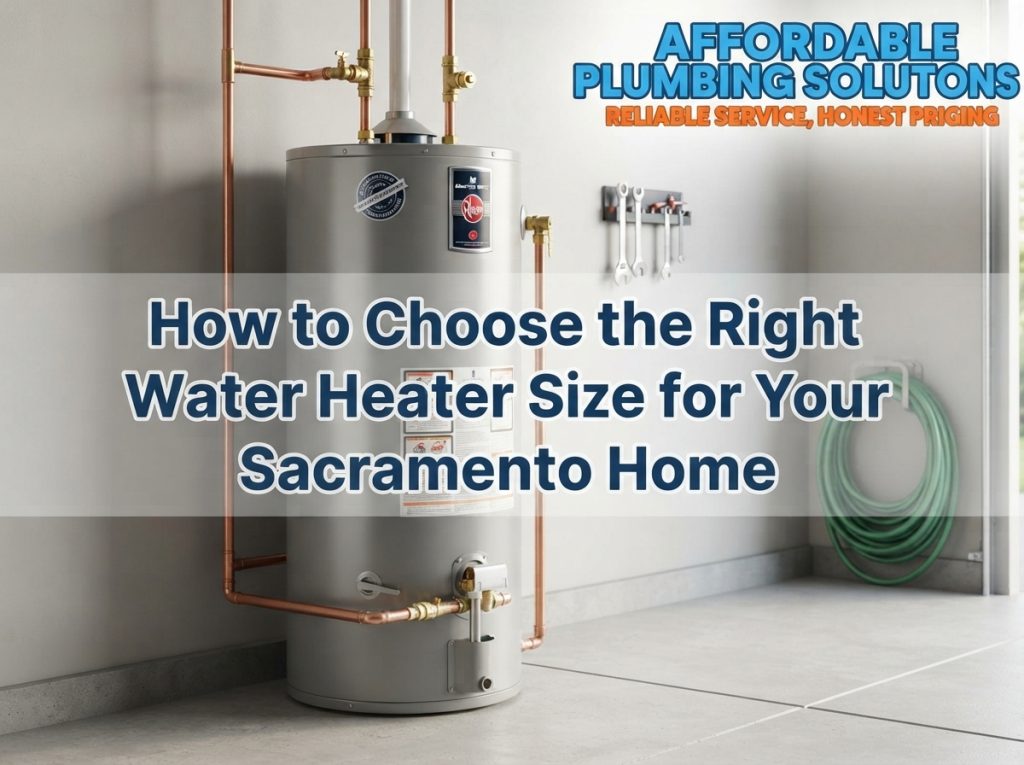
Whether you are planning a new water heater installation, considering a water heater replacement, or comparing different systems, understanding proper water heater sizing can save money and improve comfort for years to come. This guide explains the essential sizing principles, the factors that influence water heater capacity, and the differences between a tank water heater and a tankless water heater. By the end, you will know what to evaluate before selecting the ideal system for your home.
Choosing the correct water heater size is essential for maintaining a reliable hot water supply and improving overall water heater efficiency. A unit that is too small may leave your family running out of hot water, while an oversized system can waste energy and increase utility bills. Proper water heater sizing ensures your home water heater matches your household’s hot water demand, delivers consistent performance, and supports a longer equipment lifespan.
The right water heater capacity provides dependable hot water, better energy performance, and lower long-term operating costs. Taking the time to evaluate your home’s water heating requirements helps you choose a system that delivers comfort, efficiency, and reliable performance for years to come.
Understanding water heater sizing helps you choose a system that matches your home’s hot water demand. The right water heater size provides a steady hot water supply, improves water heater efficiency, and reduces unnecessary energy costs. Instead of choosing the biggest unit, focus on selecting the correct water heater capacity for your household’s daily needs.
A tank water heater is sized by its tank capacity, measured in water heater gallons. Another important factor is the First-Hour Rating (FHR), which shows how much hot water the unit can deliver during the busiest hour. Both measurements are essential when sizing a tank water heater.
Consider your family size, number of bathrooms, and household hot water usage before choosing a tank. Homes with higher simultaneous water usage usually need a larger storage capacity. The right size helps prevent running out of hot water during peak hours.
A tankless water heater does not store hot water. It provides on-demand water heating whenever a faucet or appliance is turned on. These systems are sized using their water heater flow rate, measured in Gallons per Minute (GPM), rather than storage capacity.
When sizing a tankless water heater, calculate how many fixtures may run at the same time. Also consider your local groundwater temperature because colder incoming water requires more heating power. Choosing the correct flow rate ensures continuous hot water and reliable water heater performance throughout your home.
Choosing the right water heater size depends on your household’s daily hot water demand rather than the size of your home alone. Factors such as your family’s routine, plumbing setup, and appliance usage all affect the correct water heater capacity. Evaluating these details helps ensure reliable performance, better water heater efficiency, and a consistent hot water supply.
The number of people living in your home plays a major role in determining the correct water heater capacity. Larger families naturally use more hot water throughout the day for showers, laundry, cooking, and cleaning. For example, a water heater for family of four typically requires a larger storage tank or higher tankless flow rate than a home occupied by one or two people.
The number of bathrooms affects peak demand, especially during busy mornings. Homes with multiple bathrooms often experience higher simultaneous water usage, making proper sizing even more important. If two showers are running while another family member starts the dishwasher, your water heater must handle all those fixtures without losing temperature.
Your family’s daily routine significantly influences sizing decisions. Consider your overall household hot water usage, including:
Understanding your daily water consumption helps estimate realistic demand instead of relying on household size alone.
One of the biggest sizing mistakes occurs when homeowners overlook simultaneous water usage. Even moderate individual activities can create high demand when several fixtures operate together. For example, running two showers, a washing machine, and a dishwasher at the same time places far greater demand on the system than using each appliance separately.
The design of your household plumbing system also influences performance. Long pipe runs increase the time required for hot water to reach fixtures, while multiple plumbing branches can affect distribution throughout the home. An experienced professional performing a water heater evaluation can determine whether your existing plumbing layout supports your chosen system.
Choosing between a tank water heater and a tankless water heater is an important part of proper water heater sizing. A tank water heater is sized by its tank capacity and First-Hour Rating (FHR), while a tankless water heater is sized by its water heater flow rate (GPM) and your home’s hot water demand. Understanding these sizing methods helps you choose a system that delivers reliable performance, better efficiency, and the right amount of hot water for your household.
Feature | Tank Water Heater | Tankless Water Heater |
Sizing Method | Based on tank capacity and First-Hour Rating (FHR) | Based on water heater flow rate (GPM) and simultaneous fixture demand |
Hot Water Supply | Stores a limited amount of hot water | Produces continuous hot water as needed |
Best For | Small to large households with predictable usage | Homes with varying or high hot water needs |
Performance During Peak Use | Can run out of stored hot water if demand exceeds capacity | Continues heating water if the required flow rate is within system limits |
Energy Efficiency | Some standby heat loss from stored water | Higher water heater efficiency because water is heated only when needed |
Space Required | Requires more installation space | Compact wall-mounted design saves space |
Installation Considerations | Simpler water heater installation in many existing homes | May require gas, electrical, or venting upgrades during professional water heater installation |
Choosing the correct residential water heater requires evaluating your household’s usage habits instead of simply selecting the largest available model. By understanding your family’s water heating requirements, comparing system capacities, and considering future needs, you can invest in equipment that delivers reliable performance and long-term energy savings.
Start by determining how many people regularly live in your home and estimating your overall daily water consumption. Larger households naturally require greater water heater capacity because more people use showers, sinks, laundry equipment, and kitchen appliances throughout the day.
Also consider your family’s lifestyle. Homes with frequent guests or heavy daily household hot water usage often require larger systems than homes with similar occupancy but lower demand.
Rather than focusing only on daily usage, identify times when several fixtures operate simultaneously. Two showers, a dishwasher, and a washing machine running together create much higher demand than using each appliance separately.
Calculating simultaneous water usage is especially important when sizing a tankless water heater, since its water heater flow rate must support all active fixtures at once. For storage models, compare the expected demand with the unit’s First-Hour Rating (FHR).
If you’re considering a traditional water heater, compare available water heater gallons, tank capacity, and recovery performance. Storage systems remain an excellent choice for many households with predictable routines.
If you prefer on-demand water heating, calculate the required Gallons per Minute (GPM) based on your fixtures and local groundwater temperature. This ensures your tankless water heater delivers reliable continuous hot water even during peak demand.
Your current needs may not reflect future demand. Home additions, growing families, or extra bathrooms can significantly increase hot water requirements, making it worthwhile to choose a system that allows for moderate future growth.
Considering long-term plans during your initial water heater installation helps avoid premature upgrades and ensures your investment continues meeting your household’s needs for years.
Choosing the right water heater size requires more than selecting a model that fits your budget. Many homeowners make sizing mistakes that lead to poor water heater performance, higher energy costs, and an unreliable hot water supply. Avoiding these common errors helps ensure your residential water heater meets your household’s needs while maximizing efficiency and long-term value.
While a water heater sizing calculator or water heater sizing chart can provide a helpful estimate, they cannot account for every home’s unique plumbing system and usage patterns. A professional can accurately assess your hot water needs, calculate the correct water heater capacity, and recommend the most efficient solution for your household. Their expertise helps ensure reliable performance, lower energy costs, and a successful water heater installation.
If you’re planning a new water heater installation or water heater replacement, consulting a licensed plumber is a smart first step. They evaluate your family size, number of bathrooms, household hot water usage, and existing household plumbing system to recommend the right size. This helps prevent costly sizing mistakes and ensures your new unit delivers dependable hot water supply.
A professional consultation is also valuable when your home’s hot water demand has increased over time. Adding family members, remodeling your home, or installing additional bathrooms can significantly affect your water heating requirements. An expert can perform a complete water heater evaluation and recommend the best home plumbing solutions to maintain efficient and consistent water heater performance.
Choosing the right water heater size is essential for maintaining a dependable hot water supply, improving water heater efficiency, and reducing long-term energy costs. By considering factors such as family size, household hot water usage, number of bathrooms, and peak hot water demand, you can select a system that delivers consistent performance without wasting energy.
Whether you’re installing a new tank water heater, upgrading to a tankless water heater, or planning a water heater replacement, proper sizing is the key to long-lasting comfort and reliable operation. Consulting a licensed plumber for a professional water heater evaluation can help you choose the correct water heater capacity for your home’s current and future needs.
A water heater for a family of four is typically a 50 to 60-gallon tank water heater or a properly sized tankless water heater with sufficient water heater flow rate (GPM) to handle simultaneous hot water use.
Most homes require a tankless water heater with a flow rate of 5–8 Gallons per Minute (GPM), depending on the number of bathrooms, fixtures, and peak hot water demand.
Yes. An oversized water heater can waste energy by heating more water than your household uses, increasing operating costs and reducing overall water heater efficiency.
A typical 3-bedroom house usually needs a 40 to 50-gallon tank water heater or an appropriately sized tankless system, depending on the number of occupants and daily household hot water usage.
Evaluate your family size, number of bathrooms, daily hot water usage, and peak demand. A professional water heater evaluation can help determine the correct water heater capacity for your home.
Not always. The most efficient water heater is one that is properly sized for your household’s hot water needs, as oversized units may consume more energy than necessary.





Great service and very affordable. I had a serious kitchen leak, and their team responded quickly and fixed everything efficiently. The process was smooth, professional, and stress-free. I truly appreciate the fast turnaround and would highly recommend them.