



Choosing between a gas water heater and an electric water heater is an important decision because it affects your home’s comfort, monthly utility bills, and long-term maintenance costs. Both types are designed to provide reliable hot water for everyday tasks like showering, cooking, and cleaning, but they operate differently and offer unique advantages. Understanding these differences makes it easier to choose the right system for your household and budget.
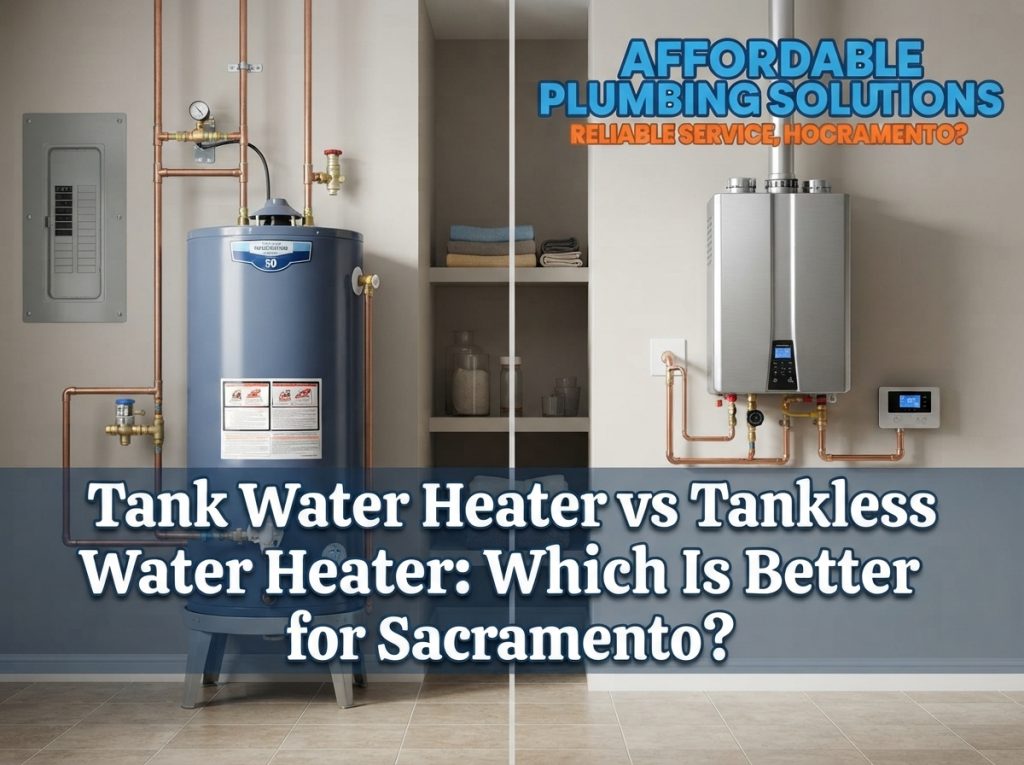
The best choice depends on several factors, including your family’s hot water usage, local energy prices, installation costs, and energy efficiency goals. In this gas water heater vs electric water heater guide, you’ll learn how each system works, compare their pros and cons, and understand the key differences in performance, operating costs, lifespan, and maintenance. By the end, you’ll have the information you need to choose the best water heater for your home confidently.
Before comparing features, costs, and lifespan, it’s helpful to understand how each system heats water. Although both provide hot water for daily household use, their heating methods are completely different. Knowing how a traditional tank water heater and a tankless model operate makes it easier to evaluate their efficiency, maintenance requirements, and overall performance.
A traditional tank water heater, also known as a storage tank water heater, stores a fixed amount of water inside an insulated tank, usually between 30 and 80 gallons. Gas burners or electric heating elements warm the stored water to a preset temperature, keeping it ready whenever someone opens a hot water tap. As hot water leaves the tank, cold water enters to replace it, allowing the heating cycle to continue throughout the day.
This design offers dependable hot water for everyday tasks like showering, washing dishes, and laundry, making it a practical choice for many households. However, because the unit continually reheats stored water, it uses energy even when no hot water is being consumed. Over time, this standby heat loss can increase water heater operating costs, especially in homes with lower daily hot water usage.
Unlike storage systems, a tankless water heater heats water only when it is needed. Instead of storing heated water inside a tank, the unit activates automatically when a hot water fixture is turned on. Cold water passes through a high-powered heat exchanger, where gas burners or electric heating elements rapidly raise its temperature before sending it directly to the faucet.
Because this process uses on-demand water heating, homeowners enjoy continuous hot water without worrying about emptying a storage tank. This makes tankless systems particularly beneficial for larger families or homes where multiple showers, appliances, and fixtures may be operating at the same time. Since water is heated only during use, these systems often provide better water heater efficiency than conventional storage models.
Choosing between a storage tank and a tankless system involves more than comparing their purchase prices. Homeowners should consider factors such as installation, maintenance, operating costs, energy usage, and expected service life before making a decision. A detailed tankless vs. storage water heater comparison helps you select the best solution based on your home’s hot water demands, budget, and long-term goals.
A traditional tank water heater is generally easier and less expensive to install because many homes are already designed for this type of home water heating system. Replacing an existing storage unit usually requires only minor plumbing adjustments, making the installation process quicker and more affordable. For homeowners looking to minimize initial expenses, a tank water heater remains a practical option.
A tankless water heater, on the other hand, often requires a more complex water heater installation. Depending on the home’s existing plumbing and utility setup, upgrades to gas lines, electrical circuits, or venting systems may be necessary, increasing the overall water heater installation cost. Although the upfront investment is higher, many homeowners view it as a worthwhile expense because of the system’s longer lifespan and improved energy efficiency.
Proper water heater maintenance is essential for maximizing efficiency, reducing repair costs, and extending the lifespan of both tank and tankless systems. While each type requires different maintenance procedures, following a regular water heater maintenance schedule helps prevent sediment buildup, mineral buildup, and unnecessary wear on key components. Whether you own a storage tank water heater or a tankless model, routine servicing ensures reliable hot water, better energy efficiency, and fewer unexpected breakdowns.
When comparing a tankless water heater vs. tank system, performance is one of the most important factors to evaluate. Daily hot water demand, recovery speed, water heater efficiency, operating costs, and overall reliability all influence how well a system meets your household’s needs. Understanding these performance differences helps homeowners choose the most efficient hot water solutions while balancing energy savings, convenience, and long-term value.
The lifespan of a water heater is one of the most important factors to consider when choosing a new home water heating system. While proper installation, water quality, and routine maintenance all influence longevity, tankless models generally last much longer than traditional storage units.
A well-maintained tank water heater lifespan typically ranges from 8 to 12 years, whereas a properly serviced tankless water heater lifespan can exceed 20 years. The following water heater lifespan comparison highlights the key differences between both systems and helps homeowners evaluate their long-term value.
Feature | Tank Water Heater | Tankless Water Heater |
Average Lifespan | 8–12 years | 20+ years |
Heating Method | Stores and continuously heats water | On-demand water heating |
Primary Component | Storage tank water heater | Heat exchanger |
Common Wear Issues | Corrosion, sediment buildup, tank leaks | Mineral buildup inside the heat exchanger |
Maintenance Requirements | Tank flushing, anode rod inspection, routine servicing | Annual descaling, filter cleaning, routine servicing |
Repair Options | Full water heater replacement is often required after tank failure | Individual component replacement is often possible |
Energy Efficiency | Lower due to standby heat loss | Higher because water is heated only when needed |
Durability is a key factor when comparing water heaters because it directly affects maintenance expenses, repair frequency, and long-term ownership costs. While both systems are designed to provide dependable hot water, their construction, internal components, and exposure to wear differ significantly. Understanding these differences helps homeowners choose a unit that delivers reliable performance for many years.
A traditional tank water heater is built with a steel storage tank lined with glass or other protective materials to reduce corrosion. Despite this protection, constant contact with heated water gradually wears down the lining, making the tank more vulnerable to rust and leaks over time. Factors such as hard water, sediment buildup, and neglected maintenance can further shorten the unit’s lifespan.
Proper tank water heater maintenance plays an important role in improving durability. Flushing the tank regularly removes accumulated minerals that reduce heating efficiency, while replacing the anode rod helps protect the tank from internal corrosion. Following a routine maintenance schedule not only extends the unit’s service life but also delays the need for an expensive water heater replacement.
A tankless water heater is generally considered a more long-lasting water heater because it does not rely on a large storage tank that remains filled with hot water around the clock. Instead, it uses a durable heat exchanger to warm water only when needed, reducing the risk of corrosion-related damage. This design contributes to greater water heater durability and often results in a longer operational life.
Although tankless systems are built for longevity, they still require proper care to maintain peak performance. Regular annual descaling prevents mineral buildup inside the heat exchanger, especially in homes with hard water. Many manufacturers also allow component replacement, making repairs more cost-effective and helping homeowners maximize the long-term water heater value of their investment.
Selecting the right water heater depends on your household hot water needs, available budget, energy goals, and the size of your home. A traditional tank water heater is often the better choice for smaller households or homeowners looking for a lower upfront investment and a simpler water heater installation process. In contrast, a tankless system is ideal for families with higher hot water demand, limited installation space, or those who want continuous hot water and improved energy efficiency.
When making your final decision, consider both the immediate and long-term costs of ownership rather than focusing only on the purchase price. A tankless unit may cost more initially, but its longer water heater service life, lower water heater operating costs, and greater long-term water heater value can make it a smart investment over time. Meanwhile, a well-maintained storage tank system remains a reliable and cost-effective solution for many homes.
Choosing between a tank water heater vs tankless water heater ultimately depends on your household’s hot water usage, budget, and long-term priorities. A traditional storage tank water heater offers lower upfront costs and straightforward installation, making it a practical option for many homeowners. In contrast, a tankless system provides continuous hot water, greater energy efficiency, and a longer service life, making it an attractive investment for those focused on long-term savings.
Before making a decision, compare installation costs, maintenance requirements, operating expenses, and expected lifespan rather than focusing solely on the purchase price. Regular water heater maintenance, including tank flushing or annual descaling, helps maximize performance and durability regardless of the system you choose. By evaluating your household hot water needs and future ownership goals, you can confidently select the best residential water heating solution for lasting comfort and value.
Yes. A properly sized tankless water heater provides continuous hot water, making it ideal for large families that frequently use multiple showers and appliances at the same time.
Yes. Although the initial investment is higher, a tankless unit typically offers lower energy costs, a longer lifespan, and better long-term water heater value than a traditional tank system.
Routine tankless water heater maintenance, including annual descaling, cleaning the heat exchanger, and addressing hard water issues, helps maximize its service life and efficiency.
Water quality, sediment buildup, regular tank flushing, anode rod replacement, and consistent maintenance all play a significant role in extending the tank water heater lifespan.
In many cases, yes. Many tankless systems allow component replacement, making repairs more cost-effective than replacing the entire unit unless major internal damage has occurred.
Both systems can add value depending on the buyer’s priorities. A tankless water heater may appeal to buyers looking for energy efficiency and modern features, while a well-maintained tank water heater offers an affordable and reliable solution.





Great service and very affordable. I had a serious kitchen leak, and their team responded quickly and fixed everything efficiently. The process was smooth, professional, and stress-free. I truly appreciate the fast turnaround and would highly recommend them.